


ESA Discovers Color Changes on Mars
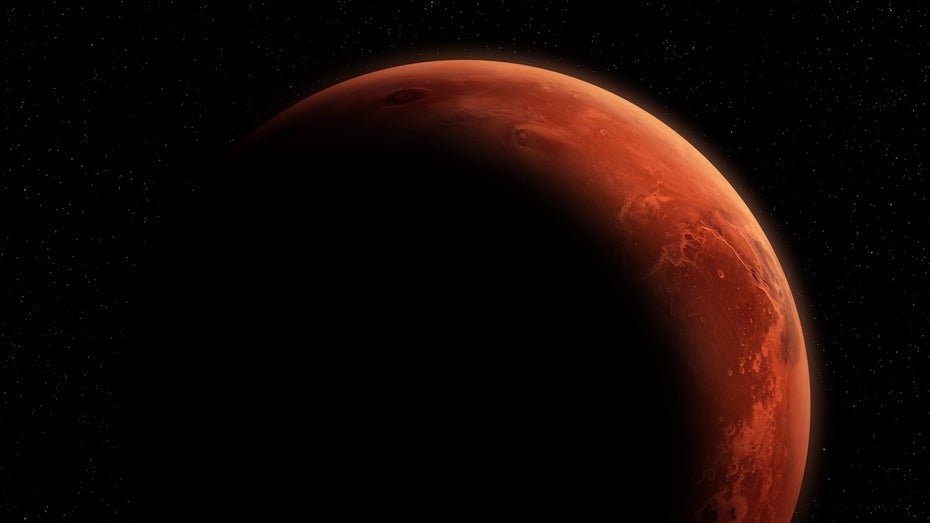
The European Space Agency (ESA) has released new findings regarding the discoloration of the Martian surface. Based on high-resolution images, the data indicate that the planet's red surface has gradually darkened over several decades. These changes are not only visually striking but also raise questions about the geological and atmospheric evolution of Mars. ESA researchers have determined that the discoloration primarily occurs in specific regions of the planet. In particular, areas around Valles Marineris and the Tharsis region show significant changes.
These regions are known for their geological activity, leading scientists to hypothesize that the changes may be related to volcanic activity or other geological processes. Another aspect of the investigation concerns the role of dust and sandstorms on Mars. These storms could contribute to darker materials surfacing and covering the lighter, oxidized layers. The ESA has also considered the effects of UV radiation and other climatic factors that could influence the chemical composition of the Martian surface in its analyses. The data comes from various Mars missions, including Mars Express and the Mars Reconnaissance Orbiter.
These spacecraft have continuously collected images and data over the years, which are now being analyzed. The ESA plans to integrate these findings into future missions to gain a better understanding of the Martian surface and its changes. Scientists emphasize that the discoloration of Mars is not merely an aesthetic phenomenon but also provides important clues about the planet's geological history. The changes could shed light on past water activities and climatic conditions that may have been crucial for the development of life. In addition to geological aspects, the possibility that microbial life forms could exist in the darker layers of Mars is also being explored.
This hypothesis is supported by the discovery of organic molecules in previous missions. The ESA plans to launch targeted missions in the coming years to further investigate this hypothesis. The discoloration of the Martian surface could also impact future manned missions to Mars. NASA and other space agencies already have plans for manned flights in the coming decades. The ESA's findings could help identify suitable landing sites and ensure the safety of astronauts.
The ESA has announced that it will detail its research findings in an upcoming publication. This publication is expected to be released in 2026 and could open new perspectives on Mars research. Scientists hope that their findings will also influence public perception of Mars and its possibilities. The Martian surface has visibly changed over the past decades, as documented by the continuous monitoring by the ESA and other space agencies. Researchers are optimistic that upcoming missions will provide further insights into the causes and effects of these changes. The ESA plans to present the next steps in Mars research at a conference in September 2026, where the latest results and future missions will be discussed.







💬 Comentarii (0)
Inca nu exista comentarii. Fii primul!