


NAND Flash Memory Shortage Until the End of 2027
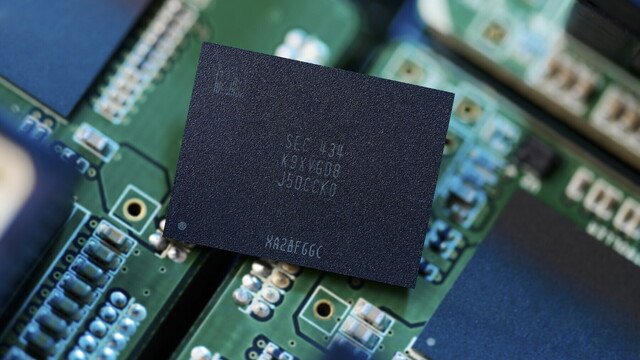
The persistently high demand for NAND flash memory from the server market is leading to a significant supply deficit. According to a recent analysis by TrendForce, this deficit is estimated to reach 4 to 5 percent by the end of 2026. The limited production capacities of manufacturers are the main reason for these shortages. Production capacities are constrained by various factors, including technical challenges and investment delays. Many manufacturers are struggling to meet the rising demand, which is particularly driven by the boom in cloud computing and the increasing use of artificial intelligence.
These trends further drive the need for high-performance storage solutions. TrendForce predicts that the situation will only ease in the second half of 2027. Until then, demand will continue to exceed available capacities, which is expected to keep NAND flash memory prices stable. Manufacturers are challenged to optimize their production lines and implement new technologies to enhance efficiency. The impacts of these shortages are already noticeable in various sectors.
Companies relying on SSDs report longer lead times and difficulties in sourcing storage solutions. This affects not only large enterprises but also smaller firms that depend on cost-effective storage solutions. Some manufacturers have already taken measures to increase production, including investments in new manufacturing facilities and the development of innovative storage technologies. However, these measures are expected to be insufficient to meet demand in the short term.
Market research indicates that demand for NAND flash memory will continue to rise in the coming years. In particular, the mobile device and IoT application sectors are contributing to the increased demand. Analysts believe that the need for faster and more efficient storage solutions will grow in the coming years. The situation is further complicated by geopolitical factors. Trade restrictions and political tensions between key manufacturers may additionally strain production capacities.
These uncertainties could further influence the price development and availability of NAND flash memory. TrendForce's forecasts highlight the challenges facing the industry. Analysts emphasize that companies must make strategic decisions to adapt to the ongoing shortages. Early planning and investments in alternative storage solutions could be crucial.
Demand for NAND flash memory is also expected to rise due to increasing digitalization and the trend towards automation in many industries. Companies must prepare for the fact that the availability of storage solutions will play a critical role in the coming years. The current market situation shows that the storage industry is at a decisive phase. The challenges arising from high demand and limited production capacities will shape the industry until at least the end of 2027.







💬 Comentarii (0)
Inca nu exista comentarii. Fii primul!