


Energy Sharing in Germany: A Look at Austria
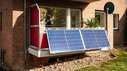
In Germany, Energy Sharing has been legally permitted since 2021; however, it is currently only actively implemented in a few regions. In contrast, Austria has accumulated several years of experience with the joint use of solar power. There, neighbors benefit from a system that promotes the exchange of surplus solar energy, thereby reducing energy costs. The Austrian model allows households that generate more solar power than they consume to sell or share this energy with neighbors. This practice has proven effective in increasing the use of renewable energy and reducing dependence on fossil fuels.
In many communities, surplus electricity is distributed through local networks, enhancing the system's efficiency. In Germany, however, many potential users face bureaucratic hurdles. Although the legal framework is in place, there is often a lack of clear guidelines and technical solutions that facilitate the easy implementation of Energy Sharing. Many citizens are unaware of the options available to them, which hinders the spread of this practice. An example of successful Energy Sharing in Germany is the city of Freiburg, where several pilot projects have been launched. Here, neighbors can share their solar power through an app that displays consumption and generation in real-time. Such digital solutions could play a key role in raising awareness of Energy Sharing and increasing acceptance.
Technical challenges are a significant factor influencing the spread of Energy Sharing in Germany. The integration of smart meters and intelligent networks is crucial for efficiently managing the flow of electricity between households. In Austria, such systems are already widespread, facilitating energy exchange. Another aspect is the need to adapt existing power grids. In many German cities, the grids are not designed for the decentralized feeding of solar power.
This could be improved through investments in infrastructure and by promoting innovative technologies such as blockchain for transaction processing. The federal government has announced plans to further improve the framework for Energy Sharing. One goal is to reduce bureaucratic hurdles and create incentives for the use of renewable energy. This could be achieved through funding programs specifically aimed at developing Energy Sharing models. The demand for sustainable energy solutions is growing.
According to a survey by the Federal Association of Solar Industry from 2025, 45% of respondents plan to invest in solar energy in the next two years. This indicates that there is significant potential for Energy Sharing if the right conditions are established. Another important point is raising public awareness. Information campaigns could help increase awareness of the benefits of Energy Sharing. In Austria, such initiatives have led to more households actively participating in Energy Sharing, thereby reducing their energy costs.
The development of Energy Sharing in Germany could also be advanced through collaborations between municipalities and energy suppliers. Such partnerships could help develop innovative solutions and facilitate technical implementation. An example of this is the collaboration between the city of Freiburg and local energy providers, who are working together on the implementation of Energy Sharing models. The legal framework for Energy Sharing in Germany is in place; however, practical implementation is still in its infancy. A comparison with Austria shows that successful implementation is possible through clear guidelines and technical solutions. Ultimately, the success of Energy Sharing depends on the willingness of stakeholders to pursue innovative paths and make the necessary investments. The federal government plans to present a comprehensive concept for promoting Energy Sharing by the end of 2026.




💬 Comentarii (0)
Inca nu exista comentarii. Fii primul!