


Digital Summit 2026: Germany on the Path to AI World Leadership
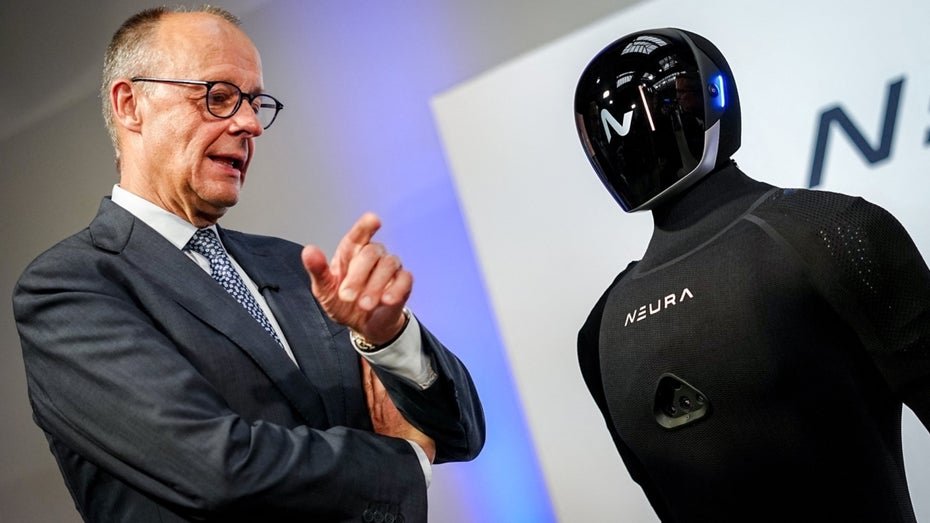
On November 3, 2026, the Digital Summit 2026 took place in Berlin, bringing together high-ranking representatives from politics, business, and academia to shape Germany's digital future. The discussions focused on the goal of developing Germany into a leader in AI. Despite the ambitious objectives, many participants expressed concerns regarding the feasibility and speed of progress. Chancellor Olaf Scholz emphasized in his opening speech the necessity of advancing digital transformation.
He stated that Germany should not only become a leading country in AI development but also set ethical standards for the use of artificial intelligence. Scholz called for close cooperation between government and industry to strengthen the country's innovative capacity. The Minister for Digital and Transport, Volker Wissing, highlighted that while Germany has made progress in recent years, much work remains for the government. Wissing demanded a concrete strategy to promote start-ups in the AI sector and better networking between research institutions and companies. The minister pointed out that bureaucratic hurdles for innovative companies need to be lowered.
A central theme of the summit was the financing of AI projects. Experts pointed out that investments in research and development lag behind those of other countries such as the USA and China. According to a recent study by the Federal Ministry for Economic Affairs and Climate Action, investments in AI research in Germany amounted to only 1.2 billion euros in 2025, while the USA invested over 20 billion euros. The discussion on training skilled workers for the digital economy also took a significant place. Education experts called for a comprehensive reform of curricula in schools and universities to meet the needs of the digital economy.
The President of the Conference of University Presidents, Peter-André Alt, emphasized that at least 50,000 new skilled workers in the field of AI are needed to secure Germany's competitiveness. Another point was data security and privacy protection. The Federal Commissioner for Data Protection, Ulrich Kelber, warned of the risks associated with the use of AI. He called for clear legal frameworks to protect citizens' rights while not hindering innovation. Kelber stressed that a balance must be found between data protection and technological advancements.
Participants of the Digital Summit also expressed the need for international cooperation in the field of AI. The Chairman of the Digital Association Bitkom, Bernhard Rohleder, called for stronger cooperation with other countries to develop global standards for AI. Rohleder pointed out that the challenges in the field of AI must be addressed not only nationally but also internationally. In conclusion, the importance of commitment in political decisions was emphasized.
Many participants demanded that the agreed measures should not remain mere lip service but that concrete steps for implementation must follow. The Digital Summit 2026 concluded with a call to set the course for a successful digital future for Germany. The next meeting to evaluate progress in the field of AI is scheduled for January 15, 2027.






💬 Comentarii (0)
Inca nu exista comentarii. Fii primul!