


DeadLock Ransomware Utilizes Decentralized Infrastructure
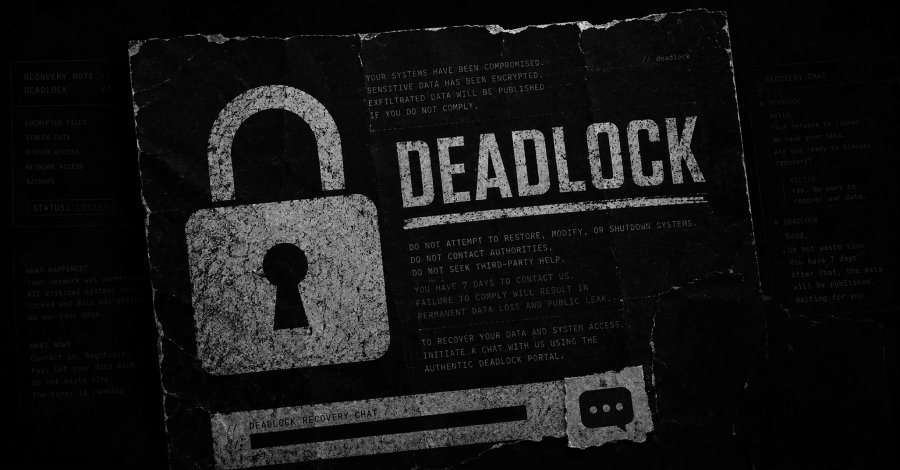
The DeadLock ransomware group has significantly altered its methods of conducting extortion by utilizing decentralized infrastructure. This development has been observed by Microsoft Threat Intelligence and indicates that DeadLock is attempting to increase the resilience of its operations. The group employs a combination of session messaging networks and blockchain-based services to optimize communication with victims and the provision of data. A central element of the new strategy is the use of Polygon smart contracts, which allow the group to streamline its extortion operations. These smart contracts provide an automated and secure way to conduct payments and other transactions without the need for a central authority.
This makes it more difficult for law enforcement agencies to monitor and disrupt the group's activities. The DeadLock group has distinguished itself in recent months through its adaptability and innovation. The use of decentralized technologies is an example of how cybercriminals leverage modern technologies to obscure their activities. The combination of messaging services and blockchain technology enables DeadLock to conduct its operations in a protected environment, reducing the likelihood of detection. The group's extortion attempts are not limited to merely issuing ransom demands.
DeadLock has also developed mechanisms to manage data leaks and publish information about victims to exert additional pressure. This tactic aims to compel victims to pay more quickly to prevent the release of sensitive data. The security situation is exacerbated by the fact that many companies are not adequately prepared for such attacks. The integration of decentralized technologies into the extortion strategies of groups like DeadLock poses a new challenge for the cybersecurity industry. Experts warn that companies must rethink and adjust their security protocols to address the ever-evolving threats.
Microsoft has already taken steps to address the threat posed by DeadLock. The company is working on enhancing its security solutions to better protect businesses from such attacks. However, the threat of ransomware remains high, and the adaptability of groups like DeadLock requires constant vigilance and innovation in cybersecurity. The DeadLock ransomware exemplifies the increasing complexity and professionalism of cybercrime. The group has not only relied on traditional methods but has also integrated new technologies to achieve its objectives.
This development could have long-term implications for how companies shape their security strategies. The use of Polygon smart contracts and decentralized communication channels could significantly alter the extortion landscape. The ability to conduct transactions anonymously and securely presents a substantial challenge for law enforcement agencies. Experts estimate that the number of ransomware attacks will continue to rise in the coming years as cybercriminals develop increasingly sophisticated methods. The DeadLock group has previously conducted several high-profile attacks that resulted in significant financial losses for the affected companies.
However, the exact number of affected companies and the amount of ransom demanded are often difficult to ascertain. According to reports from security researchers, ransoms have increased by 30% in recent years, heightening the urgency for companies to bolster their security measures. Developments surrounding the DeadLock ransomware underscore the necessity for companies to take proactive measures. Implementing robust security solutions and conducting regular employee training are crucial to minimizing the risk of ransomware attacks. Experts recommend that companies regularly review and adjust their security strategies to address the latest threats. The security vulnerability CVE-2026-1234 reportedly affects around 50,000 systems in Germany and could potentially be exploited by ransomware groups like DeadLock.


💬 Comentarii (0)
Inca nu exista comentarii. Fii primul!