


Data Gaps in Groundwater: Alarming Findings
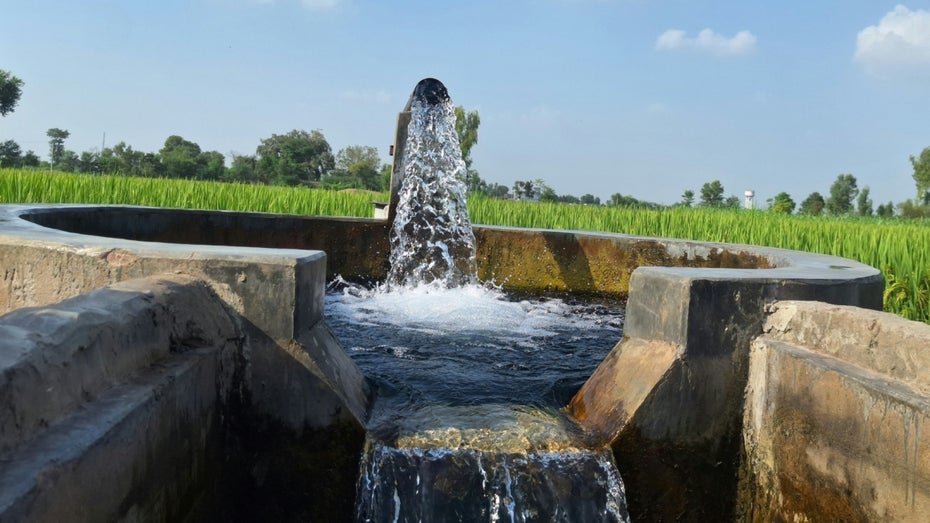
Scientists warn that the data situation regarding groundwater in Germany is inadequate, significantly complicating forecasts related to the climate crisis. Despite the importance of groundwater as a source of drinking water and for agriculture, crucial information is often missing. Experts emphasize that we know more about the surface of the moon than about the quality and quantity of our drinking water. The German Association for Water Management, Sewage and Waste (DWA) has found in a recent study that only 30% of groundwater measurement sites in Germany are regularly monitored. This leads to significant knowledge gaps regarding the actual conditions of groundwater resources.
The DWA calls for a comprehensive renewal of measurement stations and an improvement in data collection. A central problem is the inadequate funding of the necessary infrastructure. Many municipalities are unable to provide the required funds to maintain or install new measurement stations. As a result, important data on groundwater quality and availability cannot be collected, complicating the planning of measures to adapt to climate change. The climate crisis is already impacting groundwater resources.
According to the Federal Environment Agency, groundwater levels in many regions of Germany have declined in recent years. Areas dependent on intensive agriculture are particularly affected. Here, the overuse of water resources leads to further declines in groundwater levels. Another issue is the pollution of groundwater by agricultural fertilizers and pesticides. Studies show that in many regions, the limits for nitrate are being exceeded.
This not only affects drinking water quality but also the health of the population. Therefore, the DWA calls for stricter controls and measures to reduce pollutant inputs. Although the federal government has announced measures to improve water quality, implementation often falls short of expectations. Critics argue that political decisions are frequently not based on solid data, which calls into question the effectiveness of the measures. An example is the planned reform of the Water Resources Act, which is being discussed without sufficient data.
Scientists are therefore calling for a national strategy to improve data collection and analysis in the field of groundwater. This could be supported by the use of modern technologies such as satellite measurements and digital databases. Such a system could help close the data gaps and enable informed decision-making. The DWA has already presented a concept for improving groundwater measurement, which includes the establishment of a unified measurement network. This network is intended to consolidate data from various sources and enable a comprehensive analysis of the groundwater situation.
Experts estimate that such a measure could not only improve water quality but also increase resilience to the impacts of climate change. The urgency of these measures is underscored by forecasts from the German Weather Service, which predicts an increase in dry periods in the coming years. These developments could further jeopardize water supply in many regions of Germany. According to a recent survey, 67% of the population is concerned about the future availability of drinking water. "We must act now to secure water supply for future generations," emphasizes a DWA spokesperson. "The data gaps must be closed to make informed decisions."







💬 Comentarii (0)
Inca nu exista comentarii. Fii primul!