


Curiosity Discovers Mysterious Features on Mars
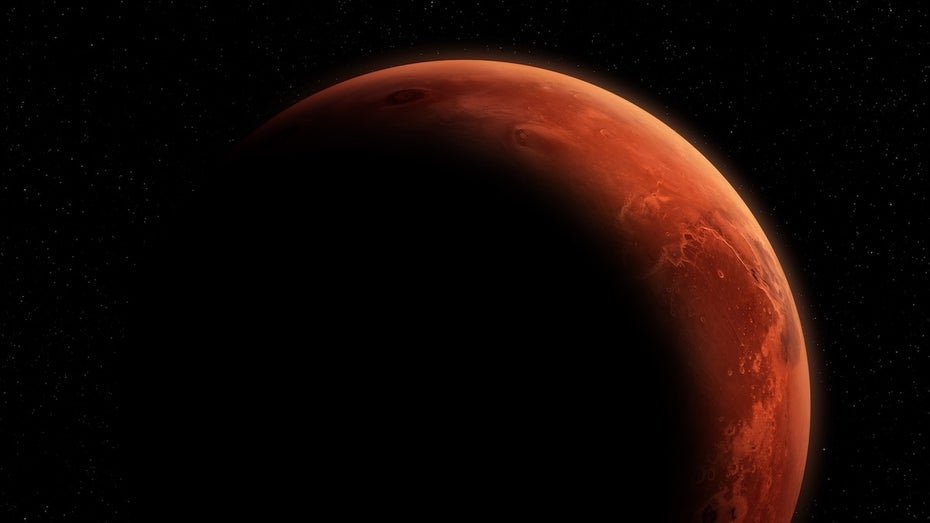
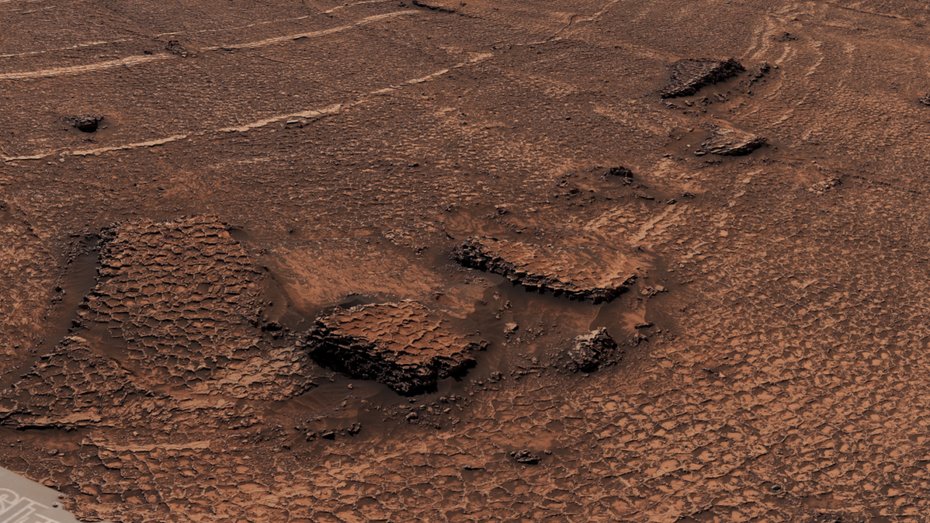
The Mars rover Curiosity has made remarkable discoveries during its exploration of the red planet, with scientists describing the features as "unlike anything we have seen in the past." This discovery could provide new insights into the geological processes on Mars. The findings include broad and shallow depressions located in the Gale Crater region. These formations differ significantly from the typical geological structures that Curiosity has documented previously. Scientists agree that these features may indicate unknown geological processes.
Since its launch in 2012, Curiosity has collected extensive data contributing to the exploration of the Martian surface and its history. The new discoveries could challenge existing theories about the planet's geological activity. Researchers are particularly interested in how these depressions formed and what role water may have played in their creation. The analysis of the new features is being conducted using high-resolution images and chemical analyses performed by Curiosity's instruments. This data will enable scientists to formulate hypotheses about the origins of the depressions.
Initial analyses suggest that the formations may have resulted from erosion or other natural processes. The discovery has sparked interest in future Mars missions aimed at gathering more information about the planet's geological processes. Scientists hope that upcoming rovers and landers will be able to collect samples from these depressions to better understand their composition and formation. NASA plans to launch additional missions to Mars in the coming years. The results of this discovery could also impact the search for past life on Mars.
If water played a role in the formation of these features, it could indicate that the planet was more habitable in the past than previously thought. Scientists are eager to see what further insights ongoing analyses will provide. The discovery was announced by a team of scientists from NASA and other institutions involved in the Mars mission, emphasizing the significance of this new data for understanding Martian geology. The results will be published in an upcoming issue of a scientific journal.
Recent Mars missions have made significant progress, and Curiosity's discovery is further evidence of the complexity and diversity of the Martian surface. Ongoing research could help unravel the planet's history and its development over millions of years. Curiosity will continue to collect data as it carries on with its mission. The next major Mars mission, the Mars Sample Return Mission, is planned for the coming years. This mission aims to bring samples from the Martian surface back to Earth for detailed analysis.
Scientists hope that these samples will provide important clues about the planet's geological history. Curiosity's discovery of the new features could also reignite discussions about the possibility of life on Mars. Researchers continue to investigate the conditions that existed on the planet in the past to determine whether they were suitable for microbial life. Ongoing missions and the analysis of collected data will be crucial in answering these questions. The discovery was announced on September 18, 2026, and the scientific community is optimistic about the future insights that can be gained from the new data.

💬 Comentarii (0)
Inca nu exista comentarii. Fii primul!