


BSI Warns of Security Vulnerabilities Following Freezer Attack
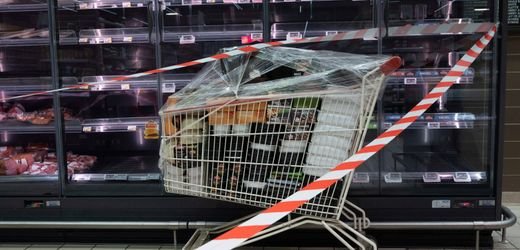
Unknown attackers have targeted freezers in supermarkets in France, raising the temperatures to as high as 50 degrees Celsius. This attack resulted in many refrigerated shelves in the stores remaining empty. The Federal Office for Information Security (BSI) has subsequently warned of existing security vulnerabilities that enable such attacks. The incident has been classified as a "defrosting attack," where the freezers were overheated by manipulating the control technology. This type of cyberattack is particularly concerning as it not only causes economic damage but also jeopardizes food safety.
The BSI emphasizes that such attacks could have been prevented with appropriate security measures. Initial investigations suggest that the attackers likely infiltrated the supermarket systems via the internet. The vulnerabilities exploited are generally due to inadequate security precautions in the software. The BSI has pointed out that many companies have not sufficiently secured their systems against such threats. The affected supermarkets have already taken measures to restore the freezers to operation.
Technicians are working to review the systems and implement security updates. The BSI recommends that all companies reconsider and, if necessary, update their IT security strategies to prevent future attacks. The incidents have also sparked a discussion about the need for stricter security standards in the food industry. Experts are calling for companies in the sector to invest more in cybersecurity to ensure the integrity of their systems. The BSI plans to release further information and recommendations in the coming weeks.
The attack not only affects the impacted supermarkets but could also undermine consumer trust in food safety. Many customers are expressing concerns about the safety of the products they purchase. Therefore, the BSI has also recommended that companies communicate transparently about their security measures. The vulnerability exploited in the attack could also affect other companies in the industry. The BSI has announced a comprehensive analysis of the affected systems to identify the exact weaknesses.
Results from this analysis are expected to help prevent similar incidents in the future. The incidents in France are not the first of their kind. In recent years, there have been several similar attacks on critical infrastructures that highlight the vulnerability of such systems. The BSI has previously warned about the dangers posed by inadequately secured IoT devices. The security authority has urged companies to regularly check their systems for vulnerabilities and to promptly implement security updates. The BSI plans to publish a new cybersecurity guideline for the food industry by the end of 2026.



💬 Comentarii (0)
Inca nu exista comentarii. Fii primul!