


Allison Pugh Warns of AI and Unemployment
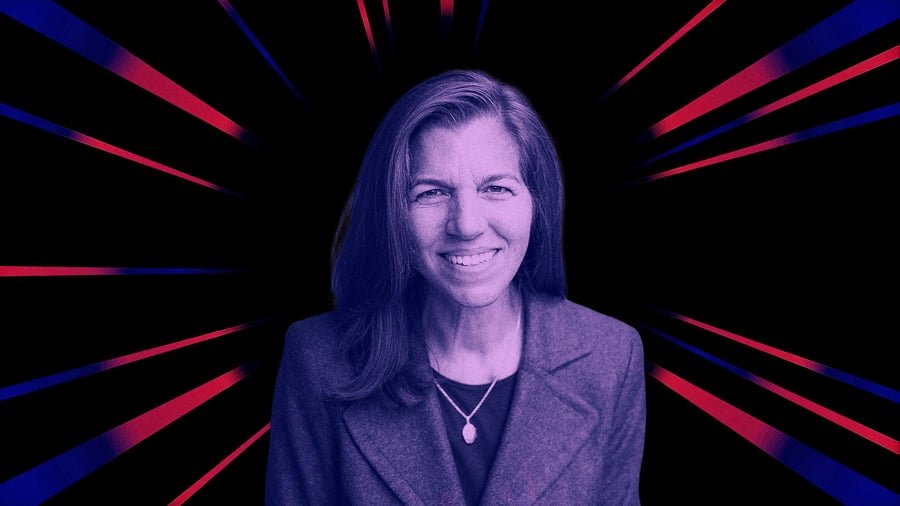
Allison Pugh, a prominent US sociologist, has addressed the potential societal consequences of advancing automation through Artificial Intelligence (AI) in a recent analysis. She warns that the increasing replacement of human labor by AI could lead to a loss of human dignity. Pugh emphasizes that in a future where AI takes over many jobs, one skill may become crucial: the ability for creative problem-solving. The sociologist argues that current technological developments are not only changing the way we work but also the social structures and the appreciation of work itself. Pugh highlights that people in an AI-dominated world may no longer be seen as valuable if their labor is no longer needed.
This could lead to a divide between a small elite capable of interacting with and controlling AI and a large mass of people who lack access to these skills. A central concern for Pugh is the issue of social justice. She warns that the unequal distribution of resources and education in society will be exacerbated as AI revolutionizes the workforce. Individuals who do not possess the necessary skills to thrive in an AI-driven economy could find themselves in precarious living situations. Therefore, Pugh calls for a comprehensive discussion on the ethical implications of AI development and its impact on society.
The sociologist refers to recent studies showing that many professions are already threatened by automation. According to a study by the McKinsey Global Institute, up to 800 million jobs worldwide could be lost to automation by 2030. This figure underscores the urgency with which societies must prepare for the changes brought about by AI and automation. Pugh suggests that education systems need to be reformed to meet the demands of a rapidly changing job market. She emphasizes that creative and social skills, which cannot be easily reproduced by machines, should take center stage.
This could help ensure that individuals still find a valuable place in society even in an AI-dominated future. Another aspect Pugh addresses is the need to develop new forms of social security. In a world where many people may not have access to traditional jobs, a universal basic income or similar models could be discussed. These approaches could help alleviate the social tensions arising from changes in the workforce. The discussion about the role of AI in society is not new, but it is gaining urgency in light of rapid technological developments.
Pugh calls for a broader societal debate to ensure that the benefits of AI development are shared by all and not just a privileged elite. She sees the necessity for decision-makers, businesses, and civil society to work together on solutions to address the challenges posed by automation. In conclusion, Pugh emphasizes that the future of work depends not only on technological developments but also on the decisions we make today. How we engage with AI will be crucial in determining whether we live in a just and inclusive society or one marked by inequality. "We must ask ourselves what kind of future we want and how we can ensure that every person has a place in that future," says Pugh. The discussion about the impact of AI on the workforce is expected to intensify in the coming years, especially in light of the upcoming elections in the US in November 2026.









💬 Comentarii (0)
Inca nu exista comentarii. Fii primul!