


AI-Phishing Overwhelms Security Operations
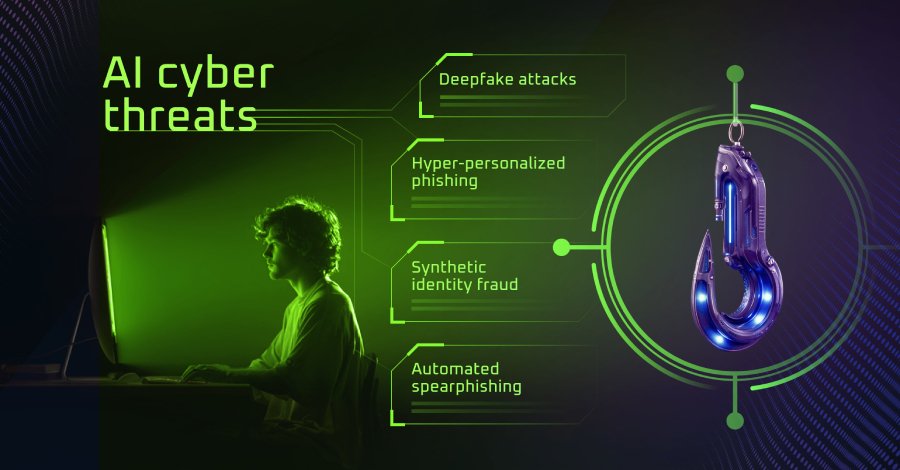
Phishing attacks have significantly changed with the use of Artificial Intelligence (AI). Attackers are now able to create convincing emails, fake login pages, and tailored bait offers in a very short time. This development leads to a massive increase in alerts that security teams must handle. The overload of Tier-1 analysts in Security Operations Centers (SOCs) is a central issue, as the number of cases to be reviewed is rising exponentially. The efficiency of phishing attacks has drastically increased due to AI technologies.
Attackers utilize automated tools to generate personalized messages that are often difficult to distinguish from legitimate communications. These precise attacks increase the likelihood that users will click on fraudulent links and disclose their login credentials. The challenge for SOCs is to quickly identify and neutralize these threats before data loss occurs. Another problem is the sheer volume of alerts triggered by AI-generated phishing attempts. Tier-1 analysts are faced with a flood of warnings that often cannot be processed immediately.
This leads to critical threats potentially being overlooked while analysts are occupied with less dangerous but more numerous alerts. The overload can result in security incidents not being detected in a timely manner. To alleviate the burden on Tier-1 analysts, many companies are turning to automation and AI-driven solutions. These technologies help reduce the number of false positives and improve threat detection efficiency. By employing machine learning, systems can recognize patterns in the data and identify potentially dangerous activities more quickly.
This allows analysts to focus on more severe threats. Some companies are also implementing training programs for their employees to raise awareness of phishing attacks. Through regular training, employees can learn to recognize suspicious emails and respond appropriately. These preventive measures are crucial to lowering the success rate of phishing attacks and reducing the burden on SOCs. The impacts of AI-driven phishing are not limited to IT security.
Companies also face financial losses and reputational damage when successful attacks occur. According to a study by Cybersecurity Ventures, the damage caused by cybercrime is expected to exceed $10 trillion annually by 2025. This figure underscores the urgency of taking effective measures to combat phishing attacks. The development of technologies to combat phishing is an active research field. Companies are investing in new AI-based solutions to better detect and prevent phishing attacks.
These technologies utilize advanced algorithms to identify and automatically block suspicious patterns in email communications. The implementation of such systems could significantly enhance the efficiency of SOCs. Another aspect is the collaboration between companies and security providers. By sharing information about threats and attack patterns, companies can improve their security strategies. Initiatives like Cyber Threat Intelligence Sharing enable faster recognition and response to current threats.
This collaboration is crucial to minimizing the impacts of AI-driven phishing. The challenge posed by AI-driven phishing is expected to continue to grow. Attackers will keep developing new techniques to refine and optimize their attacks. Security operations must adapt and implement innovative solutions to keep pace with this ever-evolving threat. According to the Cybersecurity Report 2026, the number of phishing attacks is expected to increase by 30% by the end of the year.



💬 Comentarii (0)
Inca nu exista comentarii. Fii primul!