


AI in Human Resources: A Secret Selection Process
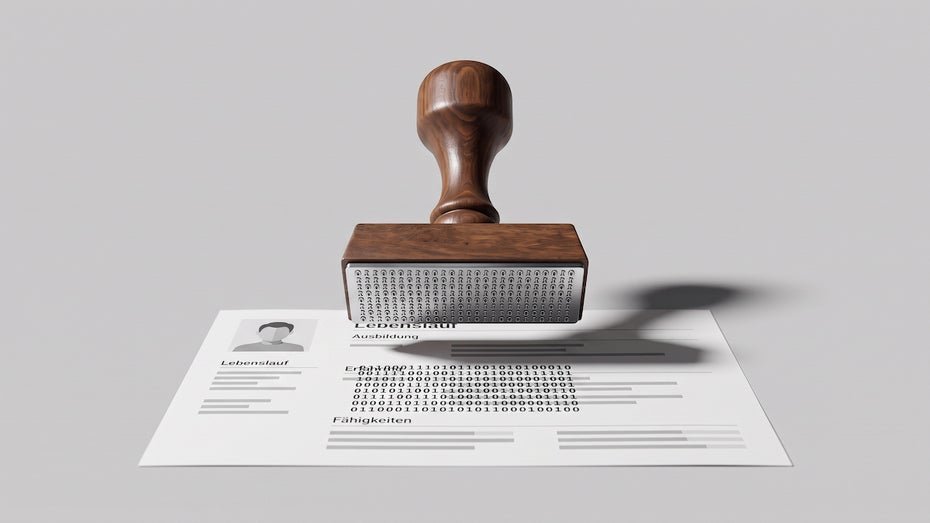
HR professionals are increasingly confronted with a flood of AI-generated applications. This development forces many companies to rethink their selection processes. In many cases, HR departments resort to AI tools to evaluate applications, even though this is not officially permitted in many organizations. The use of AI for applicant selection has increased in recent years. According to a survey of HR managers, over 60% of respondents use AI-based systems to filter applications.
These tools are intended to help increase efficiency and identify the best talent more quickly. However, there are concerns regarding the transparency and fairness of these processes. A central issue is the lack of traceability of the decisions made by AI systems. Often, HR professionals cannot explain why certain applications were rejected or accepted. This leads to increased skepticism regarding the use of such technologies in HR departments.
The legal framework for the use of AI in recruitment is not yet fully clarified. In many countries, there are efforts to develop guidelines that regulate the use of AI in this area. Experts warn that without clear regulations, discrimination and injustices in selection processes could increase. Another aspect is the quality of AI-generated applications. Many companies report difficulties in assessing the authenticity and skills of applicants.
While AI tools can recognize patterns, they often fail to capture the human creativity and individuality that are crucial for many positions. The reliance on AI in HR could also lead to a loss of interpersonal skills. HR professionals who rely too heavily on technology may neglect important social competencies that are essential for evaluating candidates. This could negatively impact corporate culture and the work environment in the long run. Some companies are actively trying to address the challenges associated with the use of AI.
They are opting for hybrid models, where AI tools are used for the initial screening of applications, followed by personal interviews to reintroduce the human component into the selection process. This strategy could help leverage the benefits of technology without losing human interaction. The discussion about the use of AI in HR is expected to continue to grow. Experts are calling for a broader debate on the ethical implications and the need for transparency in selection processes. An example of such an initiative is the EU regulation on Artificial Intelligence, which aims to establish standards for the use of AI in various fields, including recruitment.
The challenges associated with the use of AI in HR are complex and multifaceted. Companies must carefully weigh how they deploy these technologies to ensure both efficiency and fairness. According to a recent study, 45% of companies using AI tools have already received negative feedback from applicants who complained about the lack of transparency in the selection process. The future of recruitment could heavily depend on the development and implementation of AI technologies.
Companies that utilize these technologies must ensure that they take the right measures to maintain the integrity of the selection process. An example of such a measure could be the introduction of regular audits of AI systems to ensure they operate fairly and transparently. The discussion about the use of AI in HR is further fueled by the increasing prevalence of AI-generated applications. According to estimates, by the end of 2026, over 30% of all applications could be AI-generated, underscoring the need for a clear strategy to handle this situation.



💬 Comentarii (0)
Inca nu exista comentarii. Fii primul!