


AI Data Centers in Orbit: The Plans of Musk and Bezos
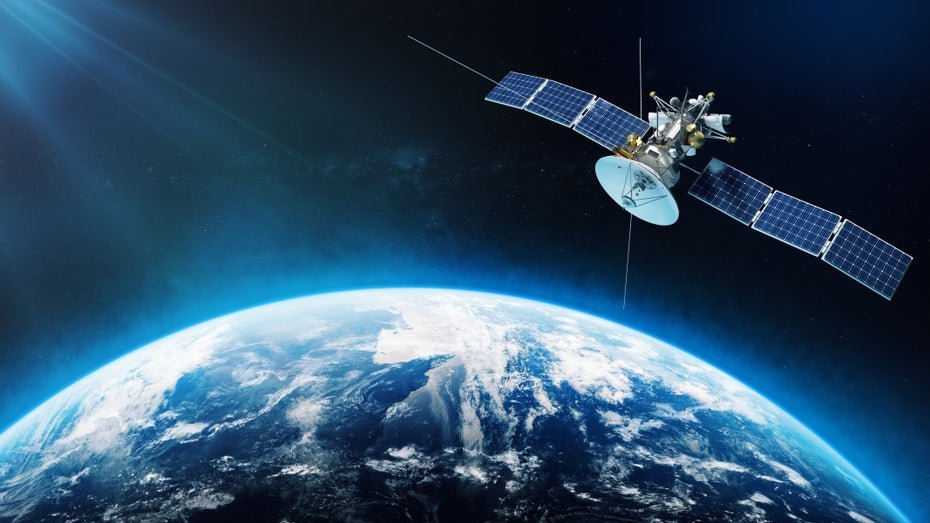
Several leading technology companies, including SpaceX, Amazon, and Google, have announced plans to establish AI data centers in orbit. This initiative aims to leverage the benefits of solar energy and enhance computing power for AI applications. The companies see the utilization of space as a way to meet the growing demands for computing power and energy efficiency. The idea of operating data centers in space is not new, but it is gaining significance due to advancements in space technology and AI development. SpaceX has already conducted several successful missions to transport satellites into orbit, laying the groundwork for future infrastructure projects in space.
Amazon plans to expand its AWS services by utilizing orbital data centers to reduce latency and improve global coverage. A key argument for establishing data centers in space is the inexhaustible availability of solar energy. In space, the conditions for energy generation through solar cells are optimal, as there are no atmospheric disturbances. This could significantly lower operating costs and enhance the efficiency of the data centers. Experts estimate that solar energy supply in space could be up to 30% more efficient than on Earth.
However, the companies face significant challenges. The development of the necessary technologies for the construction and maintenance of data centers in space is complex and costly. Additionally, safety aspects must be considered, particularly regarding radiation in space and the need to protect hardware from extreme temperatures. These factors could delay the realization of the plans. Another aspect is the issue of data transmission between the orbital data centers and Earth.
Latency must be minimized to ensure efficient communication. Companies like Google are working on new technologies to increase data transmission speeds and expand bandwidth. The development of laser communication technologies could play a key role here. Regulatory frameworks also pose a challenge. Establishing infrastructure in space requires international cooperation and compliance with regulations that are not yet fully defined.
Companies must coordinate with various governments and international organizations to obtain approvals for their projects. The plans for AI data centers in space could also impact the competitive landscape in the technology sector. Companies that can successfully develop and implement these technologies may gain a significant advantage in the field of AI applications. Analysts predict that the market for AI services could grow to over $500 billion by 2028. Initial steps towards orbital data centers could take place in the coming years.
SpaceX plans to conduct a test mission in the coming months to assess the feasibility of the technology. This mission could provide crucial insights necessary for the future development of AI data centers in space. Developments in this area are being closely monitored, as they have the potential to fundamentally change the way computing power is delivered. The combination of advanced space technology and AI could open new opportunities for businesses and research institutions. According to a recent study, the first orbital data centers are expected to be operational by 2030.








💬 Comentarii (0)
Inca nu exista comentarii. Fii primul!