


Wirkstoffe der Abnehmspritzen könnten Altern verlangsamen
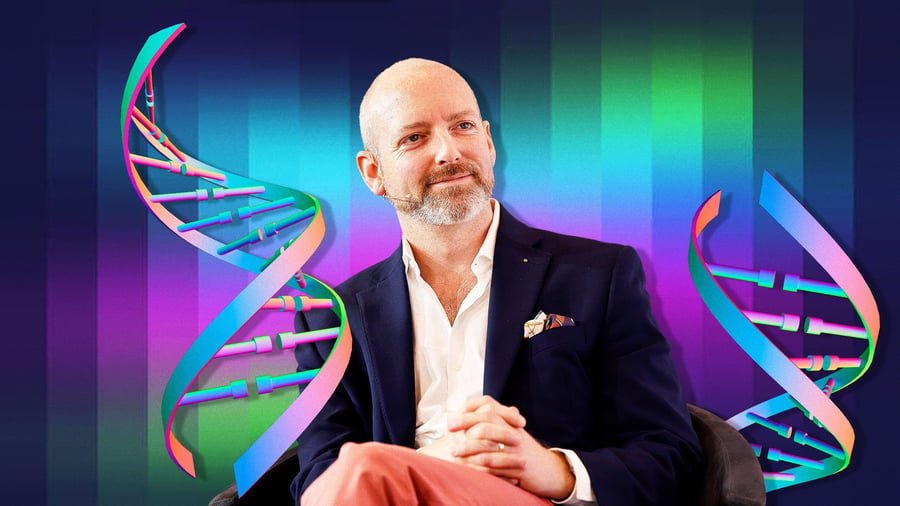
Der Kölner Alternsforscher Björn Schumacher hat in einem aktuellen Interview die potenziellen Auswirkungen von Wirkstoffen aus Abnehmspritzen auf den Alterungsprozess erläutert. Laut Schumacher beeinflussen unsere Gene zu 30 Prozent die Lebenserwartung, während die restlichen 70 Prozent durch Umweltfaktoren und Lebensstil bestimmt werden. Diese Erkenntnisse werfen neue Fragen zur Rolle von Medikamenten und deren Einfluss auf das Altern auf. Schumacher hebt hervor, dass die Wirkstoffe in Abnehmspritzen, die häufig zur Gewichtsreduktion eingesetzt werden, möglicherweise auch eine positive Wirkung auf die Zellalterung haben könnten. Diese Substanzen könnten die Mechanismen beeinflussen, die für die Alterung verantwortlich sind.
Insbesondere die Regulierung von Stoffwechselprozessen und Entzündungsreaktionen steht im Fokus der Forschung. Ein zentrales Thema in Schumachers Forschung ist die Rolle von Entzündungen im Alterungsprozess. Chronische Entzündungen sind mit einer Vielzahl von Alterskrankheiten verbunden, darunter Herz-Kreislauf-Erkrankungen und Diabetes. Die Wirkstoffe der Abnehmspritzen könnten dazu beitragen, diese Entzündungen zu reduzieren, was potenziell die Lebensqualität im Alter verbessern könnte. Die Forschung zu den Wirkstoffen ist noch in einem frühen Stadium.
Schumacher betont, dass weitere Studien notwendig sind, um die genauen Mechanismen zu verstehen und die langfristigen Auswirkungen auf die Gesundheit zu bewerten. Aktuell konzentriert sich die Forschung auf die Wechselwirkungen zwischen den Wirkstoffen und den biologischen Prozessen, die mit dem Altern verbunden sind. Ein weiterer Aspekt, den Schumacher anspricht, ist die Bedeutung der Lebensstilfaktoren. Neben genetischen Einflüssen spielen Ernährung, Bewegung und Stressmanagement eine entscheidende Rolle für die Lebenserwartung. Die Kombination von gesunder Lebensweise und potenziellen therapeutischen Ansätzen könnte neue Wege zur Verlangsamung des Alterungsprozesses eröffnen.
Die Diskussion über die ethischen Implikationen solcher Therapien ist ebenfalls relevant. Schumacher warnt vor einer möglichen Kommerzialisierung von Anti-Aging-Medikamenten und betont die Notwendigkeit, die Forschung verantwortungsvoll zu gestalten. Die Gesellschaft müsse sich mit den Fragen auseinandersetzen, die sich aus der Anwendung solcher Technologien ergeben. Die Forschung zu den Wirkstoffen der Abnehmspritzen könnte auch Auswirkungen auf die Medizin haben. Wenn sich die Hypothesen von Schumacher bestätigen, könnten diese Substanzen nicht nur zur Gewichtsreduktion, sondern auch zur Prävention von Alterskrankheiten eingesetzt werden.
Dies würde eine grundlegende Veränderung in der Herangehensweise an die Altersmedizin bedeuten. Schumacher schließt mit der Feststellung, dass die Wissenschaft erst am Anfang steht, wenn es darum geht, die komplexen Zusammenhänge zwischen Genetik, Lebensstil und Alterung zu verstehen. Die nächsten Jahre werden entscheidend sein, um die vielversprechenden Ansätze weiter zu erforschen und zu validieren. „Wir müssen die Mechanismen, die das Altern steuern, besser verstehen, um gezielte Therapien entwickeln zu können“, sagt Schumacher.








💬 Kommentare (0)
Noch keine Kommentare. Schreiben Sie den ersten!