


Volkswagen Plans Drastic Model Reduction
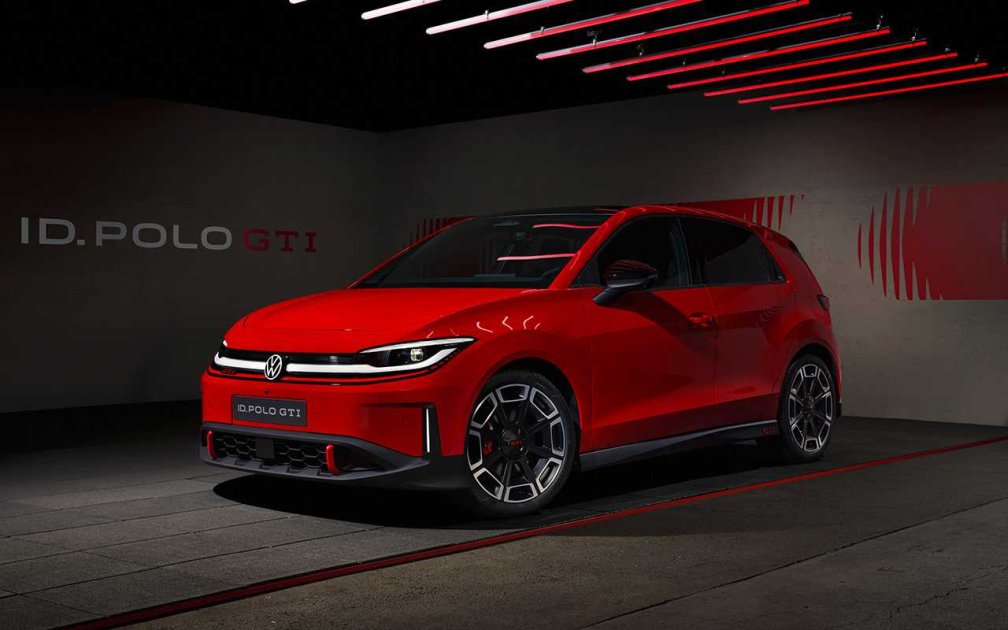
On July 13, 2026, Volkswagen presented a comprehensive future plan aimed at making the company more efficient and competitive. One of the most notable measures is the planned reduction of the model range by up to 50 percent. This also includes a drastic reduction of variants and equipment options by up to 75 percent. The focus is on concentrating on models and technologies that provide the greatest value for customers.
Volkswagen plans to harmonize vehicle development by increasing the shared use of platforms, electronics, and software across the various brands within the group. This is intended to enhance efficiency in product development and discontinue parallel development projects. Global production capacity will be adjusted to around nine million vehicles per year, down from approximately twelve million vehicles before the pandemic. CEO Oliver Blume emphasizes that the goal is clear: "By 2030 at the latest, the Volkswagen Group aims to be the most attractive automotive company in the world." The specific models that will be removed from the product range are not yet known.
Volkswagen is currently undergoing one of the largest restructurings in its history. The uncertainty regarding the future model range could also impact the workforce, as the works council has issued an ultimatum to gain clarity on potential plant closures and job cuts. Blume allowed the ultimatum to pass and stated to Bild newspaper that there are "smarter solutions" than plant closures. This could mean that Volkswagen plans to establish alternative production lines in the affected plants, possibly through the establishment of defense companies or the production of models developed in China. The four plants in Zwickau, Emden, Neckarsulm, and Hanover are at the center of discussions.
Whether these will actually be closed remains unclear. However, Blume has indicated that Volkswagen is looking for solutions that could better utilize existing capacities. The restructuring occurs against the backdrop of a changing automotive market increasingly characterized by electric vehicles and new mobility concepts. Volkswagen has already announced plans to invest more heavily in the development of electric vehicles to meet market demands. The planned changes could also impact the supply chain and suppliers.
A reduction in model variants could decrease complexity in production, which in turn could lower costs. However, Volkswagen has not yet released specific information regarding the impact on suppliers. The automotive industry faces significant challenges, particularly regarding the transition to sustainable mobility. Volkswagen is committed to achieving a significant reduction in CO2 emissions in production and vehicle operation by 2030. However, the specific measures to implement these goals have not yet been fully developed.
The next steps in implementing the future plan are expected in the coming months. Volkswagen plans to inform the workforce about developments and their impact on jobs. A specific timeline for the implementation of the planned changes has not yet been communicated. "With our future plan, we are now entering the next phase of transformation, making the group faster, more resilient, and more competitive," said Blume.


💬 Comments (0)
No comments yet. Be the first to comment!