


Trump Advocates for Self-Regulation in AI
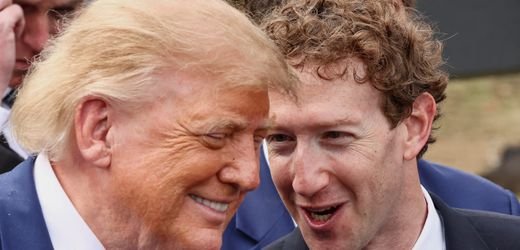
US President Donald Trump signed an agreement for self-regulation in the field of artificial intelligence (AI) on October 4, 2026. This initiative aims to encourage the tech industry to develop its own standards and guidelines rather than relying on legislative regulations. Trump emphasized that he does not want to stifle the industry's innovative potential through excessive regulation. The agreement was presented at an event at the White House attended by leading representatives from the technology sector.
Signatories include CEOs of major companies involved in AI development. Trump stated that the industry is capable of setting ethical standards that meet societal needs. The decision to rely on self-regulation comes at a time when concerns about the safety and ethics of AI applications are increasing. Critics warn of the potential risks associated with the unregulated development of AI technologies. These concerns have been heightened in recent months by several incidents where AI systems produced unexpected and problematic outcomes.
Trump dismissed the need for legal restrictions, arguing that the tech industry already possesses the necessary resources and expertise to handle AI responsibly. He emphasized that the agreement represents a "morally binding" commitment that encourages companies to promote responsible practices. The agreement includes several core points, such as promoting transparency in AI development, ensuring data privacy, and avoiding discrimination by AI systems. Companies that sign the agreement commit to regularly report on their progress and review their practices. Reactions to Trump's approach are mixed.
While some industry representatives welcome the initiative as a positive step towards responsible innovation, others express concerns that self-regulation may not be sufficient to address the complex challenges in the field of AI. Experts are calling for greater involvement of ethicists and scientists in the development process. The discussion about AI regulation is not new. In recent years, various countries and international organizations have attempted to develop guidelines to minimize the risks of AI. For example, the EU has proposed a comprehensive AI regulation that imposes strict requirements on transparency and accountability.
In contrast, the US seems to be taking a different approach. Trump's self-regulation model could serve as a template for other countries considering similar measures. The agreement may also impact the international competitiveness of the US tech industry, as companies may be able to respond more flexibly to market changes. The agreement is viewed by many as a test case for the tech industry's ability to self-regulate.
The next steps will be crucial to observe whether companies can indeed adhere to the established standards and what actions will be taken if they do not. Trump announced that the first reports on the companies' progress are expected in the first quarter of 2027. "We must ensure that the technology we develop is in the best interest of the people," Trump said during the signing ceremony. "The industry has a responsibility to do this."



💬 Comments (0)
No comments yet. Be the first to comment!