


NASA to Bring Rover Optimism to the Moon
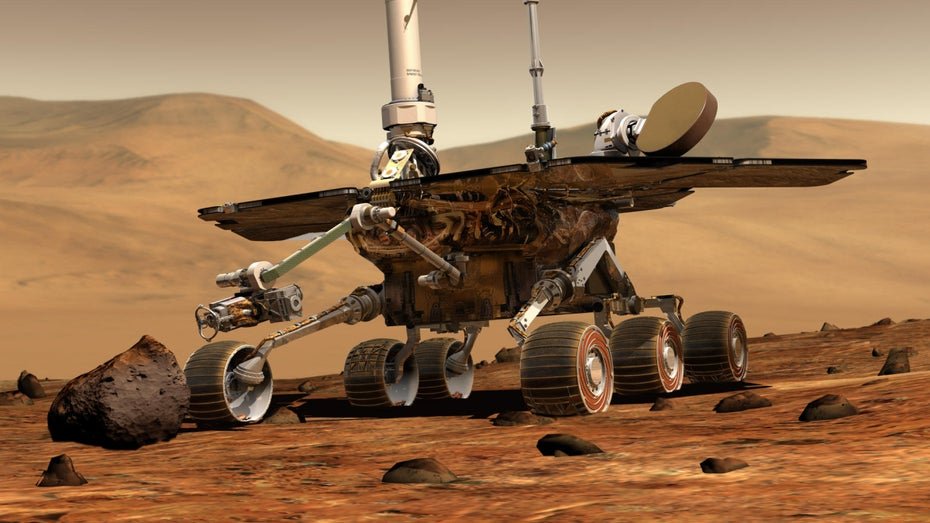
NASA has announced that it will bring the Rover Optimism, originally designed as a development version of the Mars rover Perseverance, to the Moon. This decision follows the temporary suspension of a plan to send a rover specifically developed for the Moon. The Optimism rover will now explore the challenges of the lunar surface and collect valuable data. The Optimism rover was initially developed for Mars to test the technology and capabilities needed for future Mars missions. However, NASA has determined that the experiences and insights gained from its deployment on the Moon can also be of great value.
This decision reflects NASA's flexibility in adapting its resources and technologies to the changing demands of space exploration. NASA plans to deploy the rover as part of its Artemis missions, which aim to return humans to the Moon by 2025. The rover will be equipped with a variety of instruments to analyze the lunar surface and gather data on geological and atmospheric conditions. This information is crucial for preparing for future crewed missions. A key aspect of the Optimism rover is its ability to navigate autonomously and transmit data in real-time.
This is made possible by advanced sensors and AI-driven algorithms that allow the rover to detect and avoid obstacles. These technologies could also be significant for future Mars missions. The decision to bring the Optimism rover to the Moon was also motivated by the need to minimize the costs and time associated with developing new rovers. NASA has emphasized that utilizing existing technologies and vehicles represents a cost-effective solution to achieve the scientific goals of the Artemis missions. NASA has already begun preparations for the rover's launch.
The exact timeline for the launch has not yet been established, but the rover is expected to be sent on its journey to the Moon over the next few years. NASA plans to test the rover in an environment that closely resembles lunar conditions to ensure optimal performance. The mission of the Optimism rover will also help validate the technologies required for exploring other celestial bodies. The data collected could provide important insights into the lunar surface and its resources, which are significant for future missions. NASA has already announced that the results of the mission will be published in scientific journals.
With this initiative, NASA is pursuing not only scientific goals but also the long-term objective of establishing a sustainable human presence on the Moon. The rover will play a key role in gathering the necessary information to improve living conditions for future astronauts. The mission could also help lay the groundwork for Mars exploration. NASA has emphasized that collaboration with international partners and the private sector is crucial for the success of the Artemis missions. These partnerships could help address technological challenges and make the missions more efficient.
NASA plans to regularly communicate the progress and results of the mission. The agency has selected the Rover Optimism as part of its strategy to promote space technology and scientific research. The mission is also expected to increase public interest in space exploration and the possibilities of exploring outer space. NASA will continue to provide information on the progress of the mission. The first test mission of the Rover Optimism on the Moon is planned for 2028, with NASA already beginning preparations.







💬 Comments (0)
No comments yet. Be the first to comment!