


EU Introduces New Vehicle Class for Electric Cars
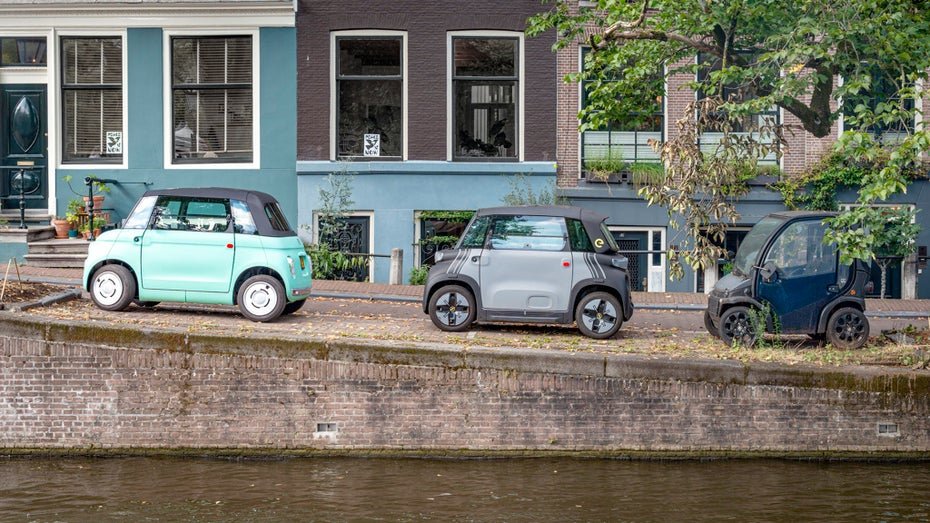
The European Union has announced the introduction of a new vehicle class called M1E, specifically designed for small electric cars. This initiative aims to provide individuals with an additional option for climate-neutral mobility. The decision was made as part of efforts to reduce emissions in the transport sector and increase the acceptance of electric vehicles. The new M1E class is expected to bring a range of benefits for manufacturers and consumers. Vehicles falling into this category are set to meet lower safety standards, which could reduce production costs.
This could be particularly significant for start-ups and smaller automotive manufacturers looking to enter the electric vehicle market. Another aspect of the M1E class is the promotion of vehicles with a maximum length of 3.5 meters and a maximum power of 15 kW. These specifications are intended to ensure that the vehicles are suitable for urban use and can integrate well into urban environments. The EU expects these vehicles to be particularly appealing to younger drivers and in urban areas. The introduction of the M1E class could also impact the existing M1 vehicle class, which is currently used for conventional cars.
While the M1 class has strict emissions and safety requirements, the M1E class will offer more flexible regulations. This could lead manufacturers to adjust their production lines to meet the new requirements. The EU has already taken measures to promote the development and sale of electric vehicles, including subsidies for electric car buyers and investments in charging infrastructure. The introduction of the M1E class is seen as another step in this direction to support the goals of the European Green Deal.
However, some critics of the new regulation point out that the EU is overlooking existing fuel-efficient vehicles already on the market. These vehicles could also contribute to emission reductions but are not included in the new class. The discussion about the pros and cons of this decision is expected to intensify in the coming months. The EU plans to implement the new regulations by the end of 2026. Manufacturers and consumers are urged to prepare for the upcoming changes.
The exact details regarding the implementation and specific requirements of the M1E class will be published in the coming months. The introduction of the M1E class could also stimulate the development of new technologies in the field of electric vehicles. Manufacturers may develop innovative solutions to meet the requirements of the new class while enhancing the appeal of their vehicles. This could lead to increased competition in the market for small electric cars. The EU aims to drastically reduce the sales figures of new cars with combustion engines by 2035.
The M1E class is viewed as part of this strategy to accelerate the transition to more sustainable mobility. However, the exact impacts on the market will only become visible after the introduction of the new regulations. The discussion surrounding the M1E class is also being monitored by various stakeholders, including environmental organizations, automotive manufacturers, and consumer associations. These groups have differing perspectives on the implications of the new regulation and its significance for the future of mobility in Europe. The European Commission has announced that it will regularly review the progress of the M1E class implementation to ensure that the new regulations are effective and achieve the desired environmental impacts. The first review is scheduled for 2027.


💬 Comments (0)
No comments yet. Be the first to comment!