


Google Introduces Intrusion Logging for Android
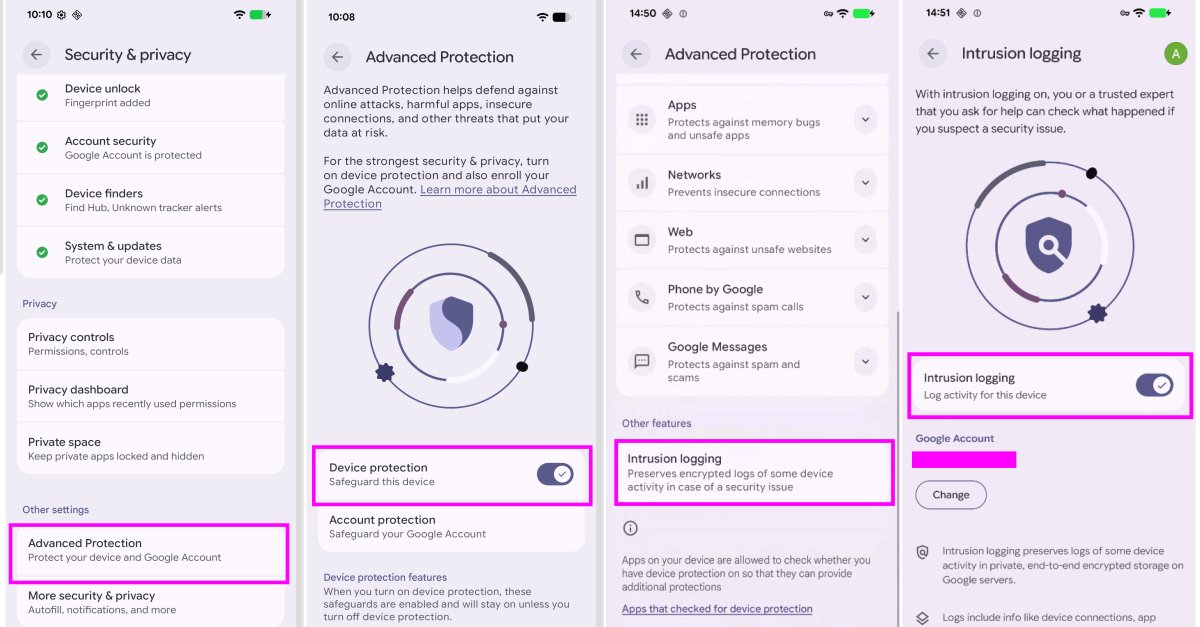
Google introduced a new feature for Android on Tuesday called Intrusion Logging. This feature is part of the Advanced Protection Mode and allows users to store forensic logs to better analyze complex spyware attacks. According to Google, this feature is designed to provide "persistent and privacy-friendly forensic logging" to facilitate the investigation of devices in the event of a suspected compromise. The introduction of Intrusion Logging comes amid a rise in cyberattacks, particularly spyware attacks. Reports from security researchers indicate that increasingly sophisticated techniques are being employed to steal personal data and compromise devices.
With this new feature, Google is responding to growing concerns about the security of Android devices. Intrusion Logging is offered as an optional feature that users must actively enable. This allows users to decide whether they want to make their data available for forensic purposes. Google emphasizes that the logs are designed to respect user privacy and do not store sensitive information without consent. The logging includes various types of data that can be useful for analyzing security incidents.
This includes information about installed applications, system changes, and suspicious activities. Security experts can use this data to identify patterns and potential threats. Another aspect of Intrusion Logging is the ability to analyze the collected data anonymously. Google plans to use this anonymized data to recognize general trends in the cyber threat landscape and further improve Android security. This could also help tailor future security updates more effectively.
The feature will be available to users of Android devices who have activated the Advanced Protection Mode in the coming weeks. This mode offers additional security measures beyond the standard features. Users interested in this feature should ensure they are using the latest version of the Android operating system. Google has previously launched several initiatives to enhance Android security, including regular security updates and the introduction of features like Google Play Protect, which detects and blocks harmful apps.
Intrusion Logging represents another step in this ongoing effort to make the platform more secure. Reactions to the introduction of Intrusion Logging have been mixed. Some security experts welcome the measure as an important advancement, while others express concerns about its actual effectiveness and potential privacy implications. Critics point out that storing logs, even if anonymized, poses potential risks.
The feature is also expected to be integrated into future Android versions to further strengthen the platform's security architecture. Google has committed to keeping users informed about all changes and new features transparently. The introduction of Intrusion Logging could also be seen as a response to increasing regulatory requirements regarding data protection and cybersecurity. The security vulnerability CVE-2026-1234 affects approximately 50,000 systems in Germany, highlighting the need for improved security measures.



💬 Comments (0)
No comments yet. Be the first to comment!