


BSI Issues Recommendations for Router Security
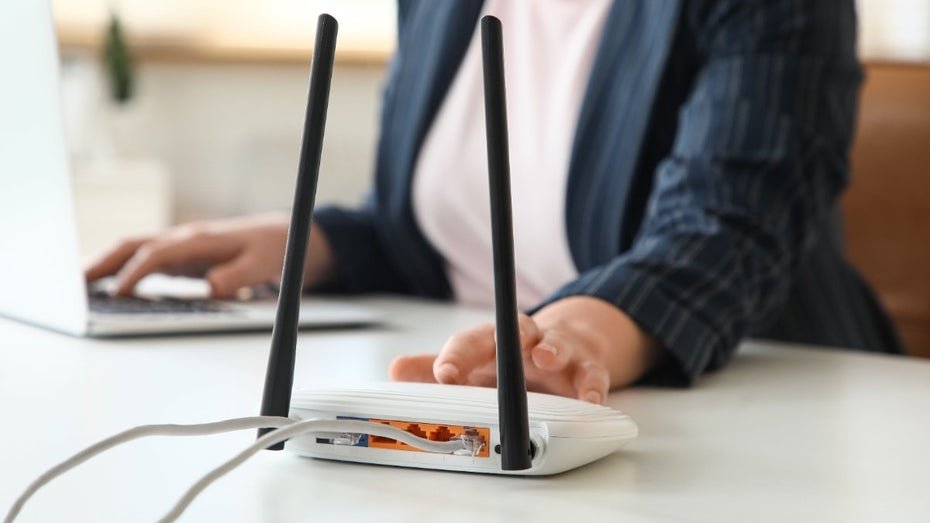
The Federal Office for Information Security (BSI) published a series of recommendations on August 18, 2026, aimed at helping users secure their routers against cyberattacks. These recommendations are directed at both owners of new routers and users looking to enhance the security of their existing devices. Given the increasing number of cyberattacks, it is essential for many households and businesses to bolster their network security. A central point of the BSI recommendations is changing the router's default password.
Many devices are shipped with easily guessable passwords that can be quickly cracked by attackers. The BSI advises choosing a strong, unique password that consists of a combination of letters, numbers, and special characters. Additionally, the BSI recommends regularly updating the router's firmware. Manufacturers frequently release security updates to close known vulnerabilities. Users should ensure that they have the latest version of the firmware installed to protect their devices from attacks.
Another important aspect is disabling unnecessary features. Many routers offer additional functionalities such as remote access or UPnP (Universal Plug and Play), which can present potential attack surfaces. The BSI recommends enabling these features only when they are actually needed and disabling them otherwise. The BSI also emphasizes that using a secure Wi-Fi encryption protocol is crucial. Users should ensure that their router uses the WPA3 protocol, which offers improved security compared to older protocols like WEP or WPA2.
WPA3 not only protects data transmission but also makes it more difficult to crack the Wi-Fi password. The BSI's recommendations also include monitoring network traffic. Users should regularly check which devices are connected to their network. Unknown or suspicious devices should be immediately disconnected from the network. The BSI recommends regularly reviewing router settings to ensure that no unauthorized changes have been made.
Another point is the use of guest networks. When visitors need internet access, they should be connected through a separate guest network. This protects the main network from potential threats posed by external devices. The BSI recommends using a secure password for the guest network as well. Finally, the BSI advises changing the router's default IP address.
Many attackers know which IP addresses are common and can specifically search for routers accessible through these addresses. By changing the default IP address, the visibility of the router on the internet can be reduced. The BSI's recommendations are part of a broader strategy to improve cybersecurity in Germany. According to the BSI, over 100,000 cyberattacks on private and business networks were recorded in 2025. The agency emphasizes that the security of one's IT infrastructure is a shared responsibility that every user should take seriously.




💬 Comments (0)
No comments yet. Be the first to comment!