


Spain Improves Power Supply After Blackout
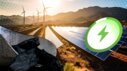
One year after the nationwide power outage in Spain, the government has implemented comprehensive measures to stabilize the energy supply. The blackout, which occurred in May 2025, caused massive disruptions in infrastructure and left millions of households without electricity. In response, Spain has significantly increased its energy storage capacities. The new storage facilities allow for a 589 percent increase in capacity compared to the previous year. This measure aims to ensure that energy supply can be maintained during future shortages or outages.
The government has also invested in modernizing existing facilities to enhance efficiency. Another important step has been the promotion of renewable energies. Spain has increased its investments in solar and wind power to reduce dependence on fossil fuels. By 2025, 45 percent of electricity already came from renewable sources, and this share is expected to rise to 70 percent by 2030. Additionally, new legal frameworks have been established to facilitate the integration of renewable energies into the existing power grid.
These regulations are intended to accelerate the approval processes for new projects and create incentives for private investors. Experts estimate that these measures could lead to the creation of up to 100,000 jobs in the energy sector. The Spanish government has also intensified cooperation with neighboring countries to improve cross-border energy supply. A new agreement with Portugal aims to closely link the electricity grids of both countries to provide mutual support in case of shortages. This initiative is considered crucial for the stability of energy supply in the region.
To further enhance the resilience of the power grid, investments have been made in smart grid technologies. These technologies enable better monitoring and control of electricity flow, leading to a quicker response to disruptions. The implementation of these systems is expected to be completed by the end of 2026. The measures to improve energy supply will also impact consumers. The government plans to keep electricity prices stable to minimize the financial burden on households.
A new pricing model based on the use of renewable energies is set to come into effect in the third quarter of 2026. The progress in energy infrastructure has been positively evaluated by various organizations. The International Energy Agency (IEA) praised Spain's efforts as exemplary and emphasized the importance of such measures for the global energy transition. According to the IEA, Spain could play a key role in European energy supply. The Spanish government aims to fully decarbonize the energy supply by 2030.
This includes not only increasing capacities for renewable energies but also promoting energy storage solutions and improving energy efficiency across all sectors. The next steps in implementing these plans will be presented at a conference in June 2026, where international partners will also be invited to share their experiences and strategies. The measures to stabilize energy supply in Spain are part of a broader plan to combat climate change and promote sustainable development. The government has committed to reducing emissions by 55 percent by 2030 compared to 1990 levels.






💬 Comments (0)
No comments yet. Be the first to comment!