


Memory Crisis Could Last for Years
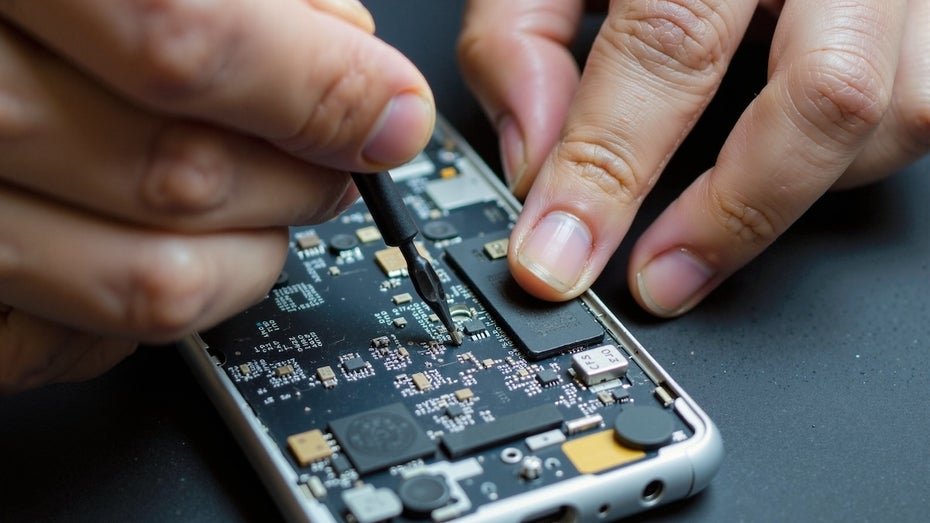
The memory crisis that has burdened the tech industry for several years could, according to Micron's CEO, extend for years to come. In a recent interview, he emphasized the strategic importance of memory and the challenges associated with the current market situation. Demand for memory solutions remains high, while production capacities are unable to keep pace with growth. A central factor in the ongoing crisis is the increasing demand for DRAM and NAND flash memory, which are used in a variety of devices, from smartphones to data centers. The global chip shortage has further exacerbated the situation, as many manufacturers struggle to procure the necessary components.
Micron itself has increased production in recent months to meet demand; however, the situation remains tense. Geopolitical tensions, particularly between the U.S. and China, are also impacting the memory industry. Trade restrictions and tariffs could raise production costs and limit the availability of raw materials. These uncertainties contribute to market volatility and complicate long-term planning for companies. Another aspect intensifying the memory crisis is the increasing digitization and trend towards cloud usage.
Companies are investing heavily in cloud infrastructures, further fueling demand for high-performance memory. According to estimates, the global cloud storage market is expected to grow by 23% annually by 2028. Micron has announced plans to invest in new technologies in the coming years to enhance the efficiency of memory production. This includes the development of 3D NAND and other innovative memory solutions that aim to provide higher storage density and lower costs per gigabyte. These technologies could help increase production capacities and improve market conditions.
However, the industry faces further challenges, including the need to minimize the environmental impact of memory production. Micron has committed to implementing sustainable practices in production to reduce its ecological footprint. This could also influence production costs in the long term, as environmentally friendly technologies often require higher investments. Analysts warn that the memory crisis not only affects the prices of memory products but could also burden the entire tech industry. Companies reliant on memory solutions may be forced to adjust their production plans or raise prices for end products.
This could lead to a chain reaction affecting consumer prices and overall market development. Market uncertainties have also impacted the stock prices of companies in the memory sector. Micron and other manufacturers are under increased pressure to improve their results while simultaneously dealing with the challenges of the memory crisis. Analysts predict that stock price volatility could persist in the coming months as market conditions remain uncertain. Thus, the memory crisis could extend for years as companies attempt to adapt to changing market conditions.
Micron's CEO emphasized that the industry must develop innovative solutions to address the challenges and meet demand. "Memory is a strategic asset," he stated, underscoring the importance of investing in new technologies. The memory industry stands at a critical turning point where technological innovations and strategic decisions will determine the future of the sector. The coming months will reveal how companies respond to the ongoing challenges and what measures they take to tackle the memory crisis.







💬 Comments (0)
No comments yet. Be the first to comment!