


Slow Internet Plans Cost More Than Fast Ones
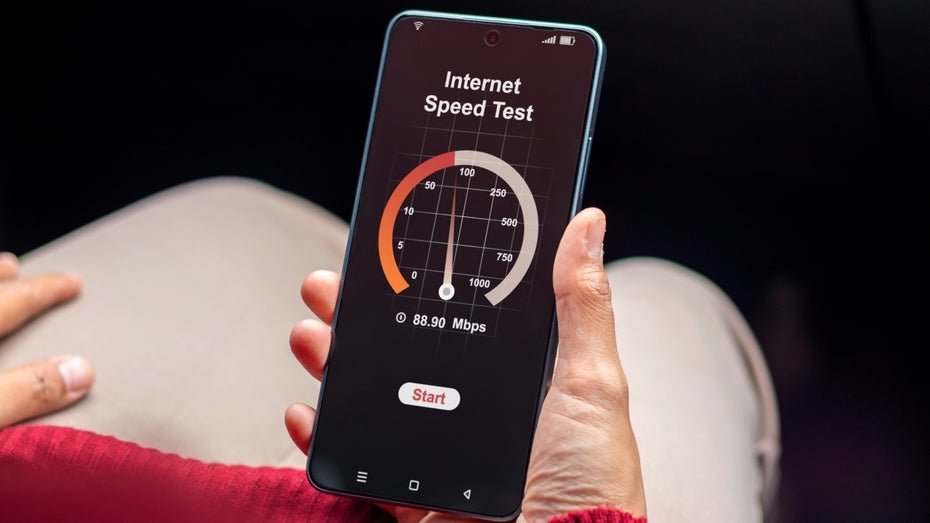
A recent market analysis confirms that consumers who opt for slow internet plans often incur higher costs than users of faster options. This finding is based on a comprehensive examination of the pricing structures of internet providers in the fixed-line sector. The analysis reveals that many providers design their plans in such a way that the monthly costs for slow speeds are not only higher but also include additional fees for certain services. As a result, the total costs for a slow plan often exceed the expenses for a faster plan. An example from the analysis illustrates this issue: a plan with a speed of 16 Mbit/s can, in some cases, be up to 30% more expensive than a plan with 100 Mbit/s.
This occurs despite the fact that faster plans often offer special promotions or discounts that further reduce costs. Another aspect of the analysis is the usage of data volume. Slow plans frequently include lower data volumes, which leads users to reach their limits more quickly and incur additional charges for data transfers. These costs can quickly negate the savings achieved by choosing a seemingly cheaper plan. The market analysis also highlights that many consumers are not adequately informed about the long-term costs associated with choosing a slow plan.
Often, only the monthly price is considered, while hidden costs and fees do not factor into the decision. Another point is the availability of fast internet connections. In many regions, gigabit plans are now available, which not only offer faster speeds but are often provided at comparable or even lower prices than slow plans. This could lead consumers to reconsider their choices. The analysis recommends that consumers conduct a thorough cost-benefit analysis before selecting an internet plan.
This should take into account not only the monthly costs but also the potential additional costs for data transfers and other fees. The results of the market analysis could also impact the future pricing strategies of providers. As more consumers become aware of the benefits of faster plans, this could lead to competition among providers that further lowers prices for fast internet connections. The market analysis was published on July 14, 2026, and indicates that internet providers may need to rethink their pricing structures to remain competitive.








💬 Comments (0)
No comments yet. Be the first to comment!