


Historian O'Mara Warns of Tech Elite
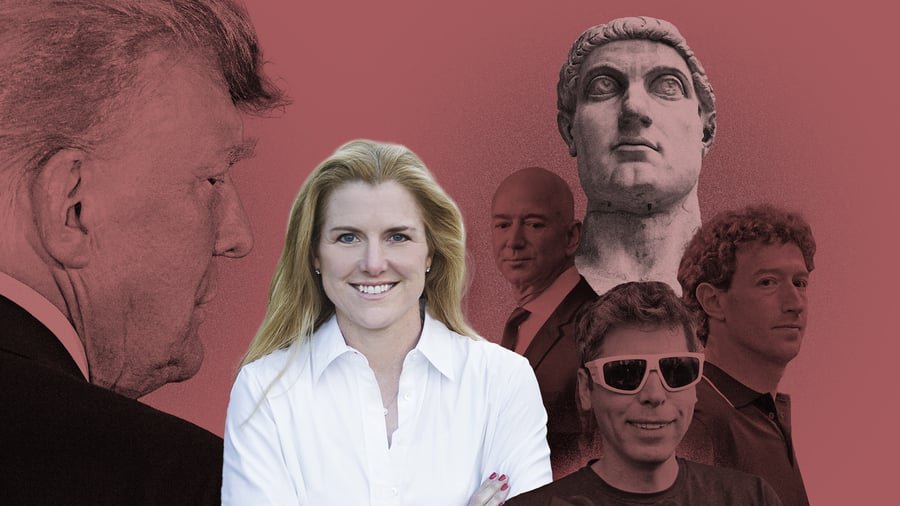
Historian Margaret O'Mara has sharply criticized the plans of the tech elite from Silicon Valley in a recent interview. She draws parallels to the robber barons of the 19th century and warns against dismissing the ideas of these billion-dollar entrepreneurs as mere fantasies. O'Mara emphasizes that many of these concepts must be taken seriously, as they could have far-reaching societal impacts. She highlights that the tech titans often operate with a mix of idealism and economic interest.
This combination leads to their visions for the future being not only unrealistic but also potentially dangerous. She points to the tendency of the tech elite to offer solutions to complex societal problems without adequately considering the associated risks. A central theme in O'Mara's argument is the unequal distribution of power and resources, which is exacerbated by the dominance of tech companies. She warns that these companies are not only seizing economic power but also political power, which could threaten democratic structures. The historian calls for a critical examination of the goals and methods of the tech elite.
In the conversation, O'Mara expresses concerns about the ethical implications of technologies such as artificial intelligence and surveillance. These technologies, according to O'Mara, could fall into the wrong hands and be used to oppress minorities or manipulate elections. She calls for stronger regulation and more transparency in the tech industry. The historian sees parallels between today's tech billionaires and the industrial magnates of the 19th century, who often acted without regard for society.
These historical comparisons aim to illustrate that current developments cannot be viewed in isolation. O'Mara emphasizes that history teaches us how important it is to question the power dynamics in society. She calls for a broader societal debate about the role of technology in our lives. She sees the necessity for not only experts but also the general public to be involved in the discussion. The historian is convinced that an informed society is better equipped to tackle the challenges of the digital future.
In conclusion, O'Mara points out that the tech elite is not only responsible for innovations but also for the societal changes that accompany them. She calls for critical reflection on the long-term consequences of these developments. "We must ask ourselves what kind of future we really want," says O'Mara. The discussion about the power and responsibility of the tech elite is expected to intensify in the coming months, especially in light of upcoming political elections and ongoing debates about privacy and digital rights.







💬 Comments (0)
No comments yet. Be the first to comment!