


US Government Pays 1 Million Dollars to Kairos
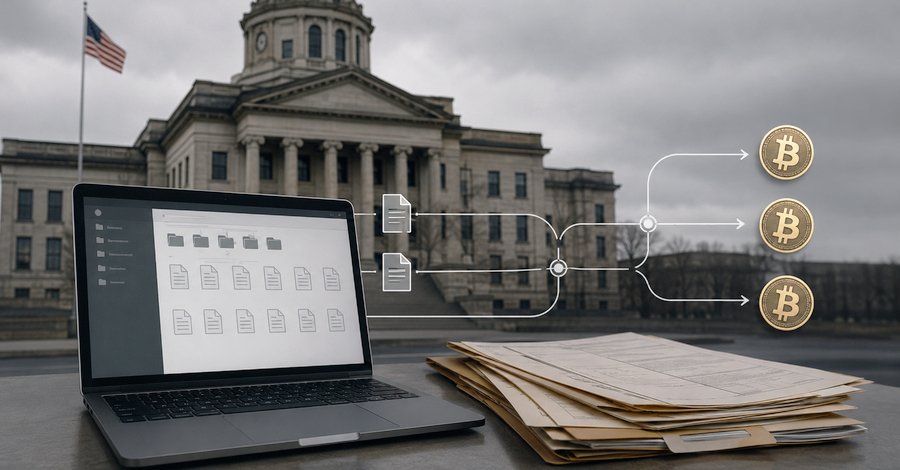
A US government agency has paid around 1 million dollars to prevent the theft of sensitive data. This is revealed in a new case study by Rakesh Krishnan for Ransom-ISAC, based on a leaked negotiation protocol and the blockchain trail of the payment. The payment was made to prevent stolen files from being published. The group that received the money calls itself Kairos. Interestingly, there is no evidence that they have ever used ransomware or encrypted data.
Krishnan noted that there is no proof that Kairos has actually encrypted data or taken systems offline in the past. The analysis of the negotiations suggests that the group may not operate as a typical ransomware gang. Instead, it could be an organization that specializes in selling stolen data without employing the usual methods of extortion or data encryption. This raises questions about the definition and methods of cybercrime. The payment was documented through a blockchain transaction, which allows for tracking the flow of funds.
This transparency could be significant in future investigations, as it may provide insights into the financial activities of cybercriminals. The use of cryptocurrencies in such cases is not new; however, this case illustrates how governments are forced to confront new threats. The case study has also attracted the attention of security experts who are discussing the implications of such payments on cybercrime. Critics argue that such payments only encourage cybercriminals to continue stealing data and extorting victims. Supporters, on the other hand, emphasize that in certain cases, paying a ransom may be necessary to prevent greater harm.
The US government has previously taken measures to combat cyberattacks, including the establishment of special task forces and collaboration with private companies. However, the Kairos case could spark new discussions about the effectiveness of these measures. Experts warn that the threat of cybercrime continues to grow and that governments and businesses must take proactive steps to protect themselves. The exact identity of the Kairos group remains unclear. There is no public information about its members or their past activities.
Uncertainty about the nature of the group could make it difficult for law enforcement to take appropriate action. However, Krishnan's case study could serve as a starting point for further investigations. The discussion about paying ransoms to cybercriminals is expected to continue as more organizations face similar threats. The US government has already released guidelines encouraging organizations to avoid such payments to not promote crime.
Nevertheless, the question remains as to how organizations should respond in critical situations. Rakesh Krishnan's case study was published on July 5, 2026, and provides a detailed insight into the negotiations and payment to Kairos. The findings could have far-reaching implications for the strategies of governments and businesses in dealing with cybercrime.




💬 Comments (0)
No comments yet. Be the first to comment!