


New Technologies for Radiative Cooling in Summer 2026
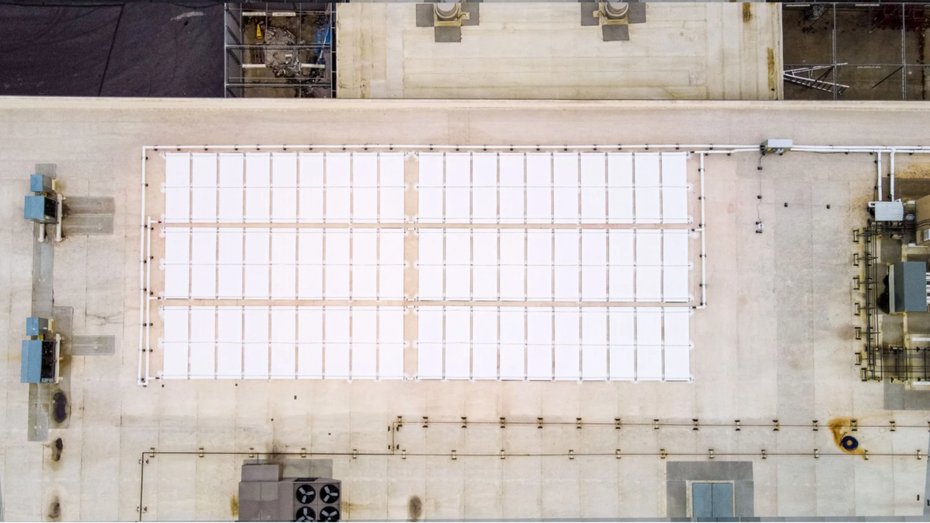
Innovative technologies for radiative cooling could play a crucial role in the upcoming summer months. These systems dissipate heat and light into space, potentially decreasing the need for conventional air conditioning. Given the rising temperatures and associated heatwaves, the implementation of such technologies is becoming increasingly relevant. The operation of radiative cooling is based on the emission of infrared radiation, which allows for efficient heat release. This technology could be particularly significant in urban areas, where temperatures rise further due to the urban heat island effect.
By implementing these systems, energy consumption could be significantly reduced. Some researchers have already developed prototypes based on special materials that maximize heat radiation. These materials are designed to reflect sunlight during the day and release heat at night. Initial tests indicate that such systems can lower ambient temperatures by up to 5 degrees Celsius. However, there are also concerns regarding the environmental impacts of these technologies.
The production of the special materials may involve high energy consumption, which could partially negate the positive effects of radiative cooling. Additionally, the widespread application of these systems could lead to unpredictable climatic changes. Another aspect is the integration of these technologies into existing buildings. Architects and engineers are working to incorporate radiative cooling systems into new constructions to maximize energy efficiency. This could lead to a long-term reduction in CO2 emissions in urban areas.
Research on radiative cooling technologies is being advanced by various institutions and universities worldwide. A team from Stanford University recently presented a system capable of lowering the temperature in a room without additional energy input. These developments could revolutionize how we manage heat. The implementation of these technologies could also impact climate policy. Governments might create incentives to promote the use of radiative cooling, thereby reducing energy consumption during the summer months.
This could be particularly significant in countries with extreme temperatures. The first commercial applications of these technologies are already in planning. Companies are working to develop products suitable for both residential and commercial applications. The market for such solutions could grow significantly in the coming years. However, the development of radiative cooling technologies is still in its early stages.
Further research is necessary to assess the long-term environmental impacts and efficiency of these systems. Experts estimate that by 2030, up to 30% of energy consumption in urban areas could be saved through such technologies. The first prototypes of radiative cooling systems could already be tested in selected cities by summer 2026. These tests aim to provide insights into the practical applicability and actual benefits of the technology.





💬 Comments (0)
No comments yet. Be the first to comment!