


NASA's New Horizons Probe Awakens from Standby Mode
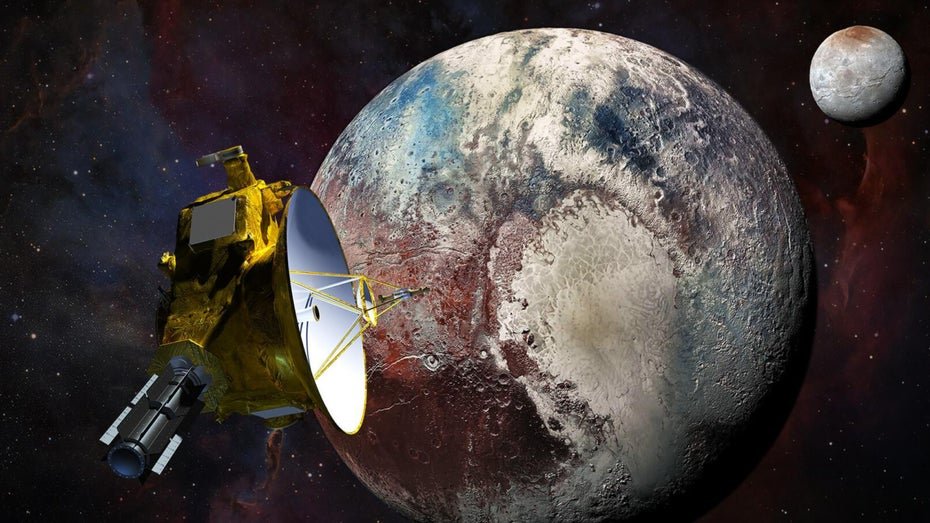
The NASA probe New Horizons has resumed operations after nearly a year in standby mode. The probe, which reached Pluto in 2015 as the first spacecraft to do so, was put into standby mode in August 2025 to conserve energy and protect its systems. On July 12, 2026, it was successfully reactivated and is now ready to continue its mission. The reactivation of New Horizons occurred as planned after NASA engineers checked the probe's systems.
The initial data received after the resumption of operations shows that all systems are functioning perfectly. The probe maintained a stable condition during its standby period, which is crucial for the long-term mission. New Horizons is now being prepared for a new mission focused on exploring objects in the Kuiper Belt. This region of the solar system contains numerous small celestial bodies that can provide valuable information about the formation of the solar system. The next planned encounter with a Kuiper Belt object is scheduled for 2027.
The probe has already collected remarkable data during its journey to Pluto. The images and measurements of Pluto and its moons have significantly expanded our understanding of dwarf planets. Scientists hope that the new data from Kuiper Belt objects will yield similar insights. NASA considers the New Horizons mission a great success. The probe has not only explored Pluto but also gathered important data about the atmosphere and surface features of the dwarf planet.
This information has led to a reevaluation of Pluto's geological activity. NASA plans to intensify data transmission from New Horizons in the coming months. Scientists expect that the first results of the new mission will be published as early as 2027. The probe will continue to travel through the solar system at a speed of about 14 kilometers per second. The reactivation of New Horizons is a significant step for NASA, as it demonstrates that space probes can be reactivated after long periods of dormancy.
This could influence future missions that apply similar energy-saving strategies. NASA engineers have already developed plans to extend the lifespan of other space probes. The next major challenge for the mission will be the precise navigation to the next target object in the Kuiper Belt. Engineers must ensure that the probe remains on the correct course to conduct the planned scientific observations. Precise control is critical to collect the valuable data needed for research.
NASA has announced that the next steps of the mission will be presented at a press conference on August 20, 2026. Initial scientific results from the reactivation will also be showcased there. Scientists are optimistic that the new data will provide important insights into the formation and evolution of the solar system. New Horizons remains a prime example of space exploration and the capabilities of modern space technology. The mission has not only expanded the boundaries of solar system exploration but has also rekindled interest in astronomy and space travel.






💬 Comments (0)
No comments yet. Be the first to comment!