


Consumer Advice Center Warns of Fraud with Germany Ticket
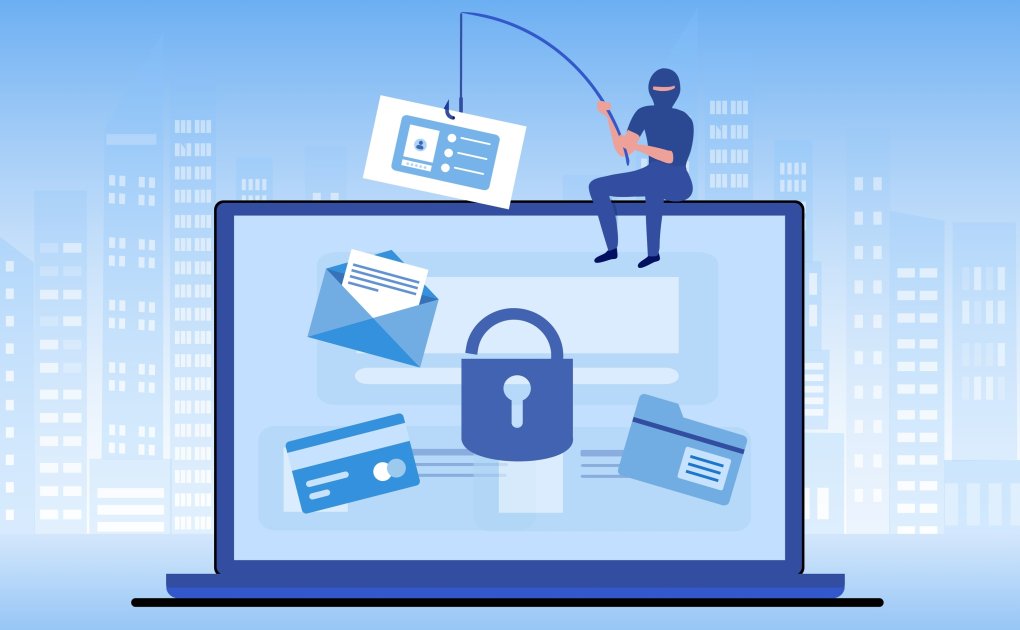
Currently, the Consumer Advice Center is warning about a fraudulent email targeting users of the Germany Ticket. The message, with the subject "Final Payment Reminder: Germany Ticket," aims to entice recipients to transfer money. The fraudsters claim that an outstanding amount of 63 euros for the ticket has not been received, which would lead to a payment default. The email states that there was a problem with the SEPA direct debit. The fraudsters urge recipients to make the payment exclusively via bank transfer.
This is done under the pretense that a real-time transfer, also known as "Instant SEPA," is required. This type of transfer is particularly risky, as it is credited immediately to the recipient's account and cannot be reversed. Particularly audacious is the indication of the account holder, listed as "Deutsche Bahn." However, recipients wishing to initiate a real-time transfer are informed by their bank that the IBAN does not match the specified name. Since October 2025, this verification will be conducted automatically to prevent fraud.
The fraudsters attempt to unsettle recipients by threatening that if payment is not made within 48 hours, late fees and legal action will follow. However, these threats are unfounded and are merely intended to provoke hasty actions. The Consumer Advice Center advises ignoring such emails and not responding to further messages. To protect against such fraud attempts, the Consumer Advice Center recommends marking the email as spam rather than deleting it immediately. This helps identify and block similar messages in the future.
Users of the Germany Ticket should check their subscriptions through the official app or the customer portal of the respective transport company. The Consumer Advice Center has also published a list of warning signs that may indicate phishing attempts. These include impersonal greetings, pressure for quick decisions, and requests for sensitive data input. These characteristics are often found in fraudulent emails and should always be critically questioned. The Consumer Advice Center emphasizes the importance of staying informed about current fraud schemes.
The number of phishing attempts has increased in recent years, and the perpetrators are becoming increasingly sophisticated. Consumers should therefore remain vigilant and regularly inform themselves about new developments in the field of internet crime. The email currently circulating is not the first of its kind. Similar fraud attempts have been reported in the past, with perpetrators often using different pretexts to obtain money or personal data. The Consumer Advice Center recommends using official channels to verify information in case of suspected fraud.
The Consumer Advice Center has received numerous inquiries on this topic in recent months. The rising number of reports indicates that many people fall victim to such fraud attempts. The organization advises contacting the Consumer Advice Center for support if there are uncertainties. The Consumer Advice Center has also established a hotline that is accessible to affected individuals. Questions regarding fraud attempts and other consumer matters can be clarified there.
The hotline can be reached at 0180 1 777 555 and offers support in various languages. The Consumer Advice Center has also set up an information page where users can find additional tips and advice on phishing and fraud. This page is regularly updated to reflect the latest developments. Consumers are encouraged to actively inform themselves about their rights and options. The current warning from the Consumer Advice Center is part of a comprehensive campaign to raise awareness about internet fraud.
The goal is to sensitize consumers and help them protect themselves from financial losses. The campaign is supported by various media and informational events. The Consumer Advice Center has achieved numerous successes in the fight against internet fraud in recent years. Through education and information, many consumers have been spared financial damage. The organization continues to strive to inform the public about current risks and promote preventive measures.
The Consumer Advice Center recommends always informing the police in case of suspected fraud. They can initiate appropriate investigations and possibly identify further victims. Reporting fraud attempts is important to hold perpetrators accountable and prevent future crimes. A recent survey by the Consumer Advice Center found that 23% of respondents have already fallen victim to internet fraud. This highlights the urgency of educating consumers about the dangers on the internet and encouraging them to remain vigilant.




💬 Comments (0)
No comments yet. Be the first to comment!