


Fraud with Fake RTX 4090 Graphics Cards
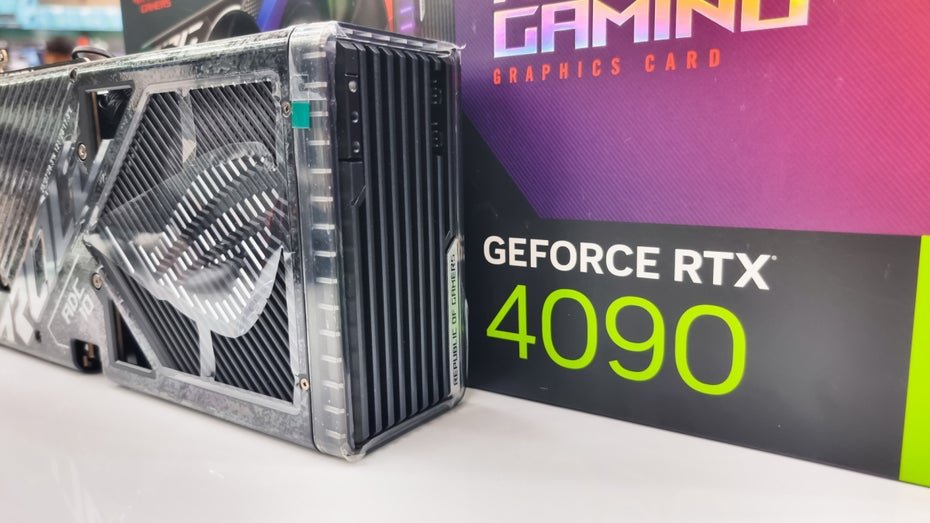
A supposed RTX 4090 graphics card from Asus has turned out to be an elaborate counterfeit. Upon closer inspection, it was found that fraudsters had mounted an old GPU chip onto a new board and forged the labeling. This scheme could become more frequent in the future as the demand for high-performance graphics cards remains high. The counterfeit was discovered by a buyer who had purchased the card through an online platform. After receiving the graphics card, the buyer realized that the performance did not match that of the advertised RTX 4090.
A thorough analysis revealed that the chip used did not meet the specifications of the original RTX 4090. Experts warn that such frauds are facilitated by the increasing complexity of hardware and the availability of counterfeit components. Fraudsters often use high-quality imitations to deceive buyers. The counterfeit graphics cards can significantly differ from the originals not only in performance but also in durability. The fake RTX 4090 was equipped with a new board that was hardly distinguishable from the genuine card.
The fraudsters also designed the packaging and documentation to appear authentic. This makes it difficult for buyers to verify the authenticity of the products before purchase. Security authorities and consumer organizations advise caution when buying graphics cards and other electronic products. Buyers should limit themselves to trusted retailers and, if in doubt, check the hardware before purchase. Verifying the serial number and technical specifications can help identify counterfeits.
This fraud scheme could also impact the graphics card market. As the demand for high-performance GPUs continues to rise, counterfeit products could affect the price and availability of genuine graphics cards. Experts estimate that the graphics card market could reach a volume of over $50 billion by 2026. Graphics card manufacturers are working on solutions to combat counterfeiting, including improved security features and the use of blockchain technology to trace the origin of components.
These measures could help strengthen consumer trust in the products and reduce the spread of counterfeits. Incidents involving fake graphics cards are not new; however, the complexity of the counterfeits has increased in recent years. Fraudsters have increasingly specialized in high-quality imitations that are difficult to detect even for experienced buyers. This could lead consumers to be even more cautious when purchasing electronic products in the future. The revelation of this counterfeit has also reignited the discussion about regulating online commerce.
Experts are calling for stricter guidelines and controls for the sale of electronic products through online platforms. One proposal suggests that sellers be required to prove the origin of their products to prevent counterfeiting. Investigations into this case are still ongoing. Authorities have already taken initial steps to identify and hold accountable those responsible. Uncovering such fraud cases could help restore consumer confidence in the graphics card market.
The security vulnerability in the authentication of graphics cards could also affect other manufacturers. Industry experts warn that similar fraud schemes could occur with other popular hardware products. The need to strengthen security measures is considered urgent. The affected RTX 4090 was produced by Asus, one of the leading manufacturers of graphics cards. Asus has not yet publicly commented on this incident.
The exact number of counterfeit cards in circulation is currently unknown. Consumers should be aware that the risk of counterfeits in the electronics market remains. Careful examination of products and retailers can help protect against fraud. Raising awareness about such fraud schemes is crucial to sensitizing buyers and curbing the spread of counterfeit products. Investigations into the fake graphics cards are in full swing, and authorities have already identified initial suspects.
Uncovering these fraud cases could lead to further arrests in the coming months. Security authorities have urged consumers to report suspicious activities and to educate themselves about the risks when purchasing electronic products. Awareness of counterfeiting and fraud in the electronics market remains a central issue for the coming years.
The need to strengthen security measures is considered urgent. The exact number of counterfeit cards in circulation is currently unknown.



💬 Comments (0)
No comments yet. Be the first to comment!