


Amateur Radio Contacts with the ISS: An Educational Project
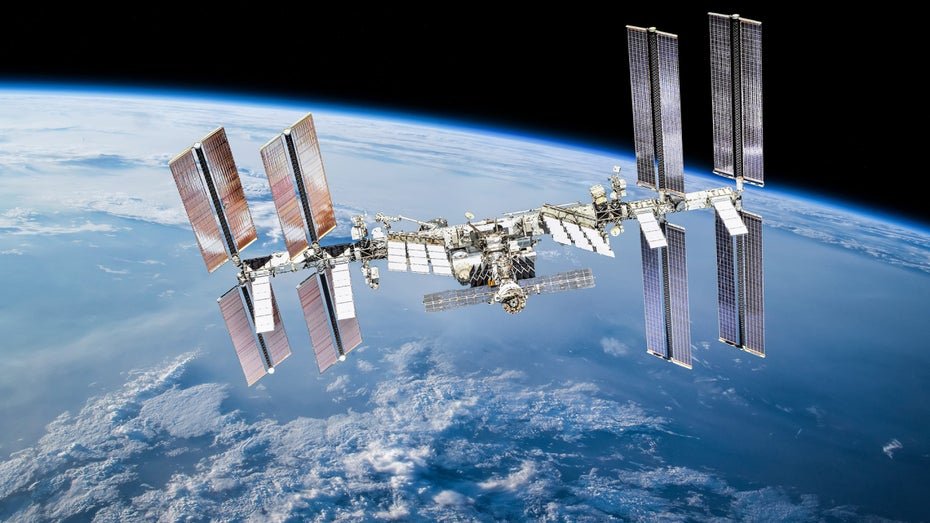
School classes around the world have the opportunity to communicate with astronauts on the International Space Station (ISS) via amateur radio. This initiative not only promotes interest in science and technology but also enables direct interaction between students and space travelers. Contact with the ISS is made through special radio equipment that is available in many schools. The ISS orbits the Earth at an altitude of about 400 kilometers and moves at a speed of 28,000 kilometers per hour. This high speed means that the ISS is only within range of a radio for a short time.
Therefore, schools must plan carefully to maximize contact during flyovers. To communicate with the ISS, schools need an amateur radio license. This license is issued by the respective regulatory authorities in many countries. In Germany, for example, the Federal Network Agency is responsible for granting amateur radio licenses. Students often have to pass an exam to obtain the license, which imparts additional knowledge about radio technology and operation.
Communication typically occurs over the VHF band, which is used for amateur radio. Astronauts on the ISS have special radio equipment that allows them to speak with amateur radio operators on Earth. These conversations are often brief and last only a few minutes, as the ISS quickly moves across the horizon. One example of such a project is the ARISS program (Amateur Radio on the International Space Station), which supports schools worldwide. ARISS organizes the radio connections and ensures that the technical requirements are met.
Schools can apply for a connection and must submit a project that promotes learning about space exploration and science. Feedback from students and teachers has been overwhelmingly positive. Many report an increased interest in natural sciences and technology. The direct contact with an astronaut working in space inspires many students to engage more deeply with these subjects. Some students have even expressed a desire to become astronauts themselves.
The ISS is not only a site for scientific experiments but also a symbol of international cooperation. The ability to communicate with the ISS demonstrates how technology can be used to promote education and spark interest in science. These projects are an important part of the educational landscape and contribute to the development of future scientists and engineers. The next opportunity for schools to communicate with the ISS is expected in July 2026, when the ISS flies over Europe. Schools interested in participating should register early with ARISS to make the necessary preparations.





💬 Comments (0)
No comments yet. Be the first to comment!